
What's Happening?
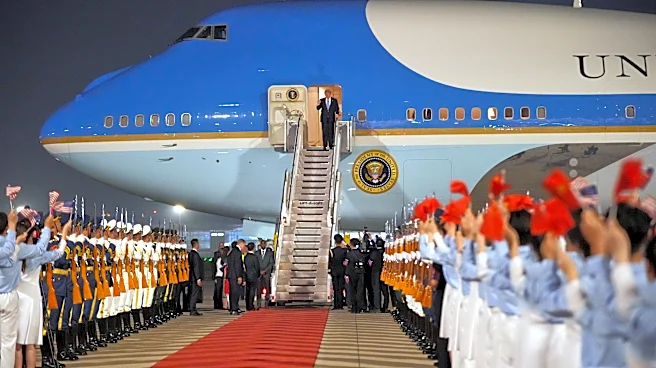
Shares in semiconductor, optical networking, and data storage companies surged in premarket trading, driven by a tightening global memory chip supply and a boost in sentiment as Nvidia CEO Jensen Huang
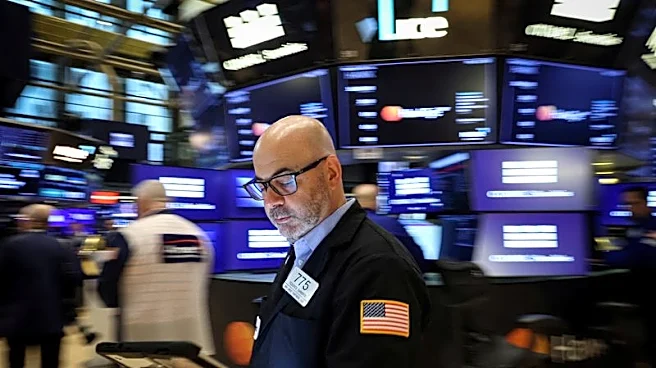
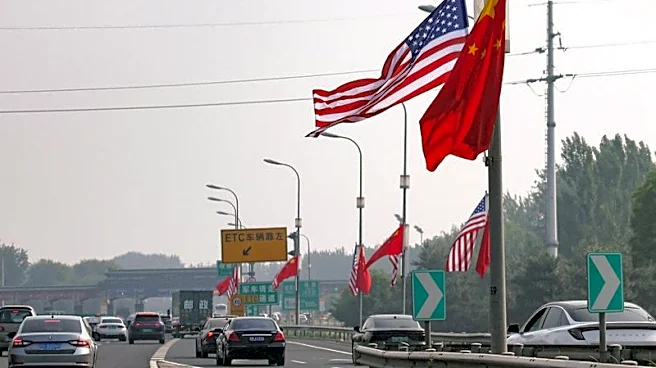
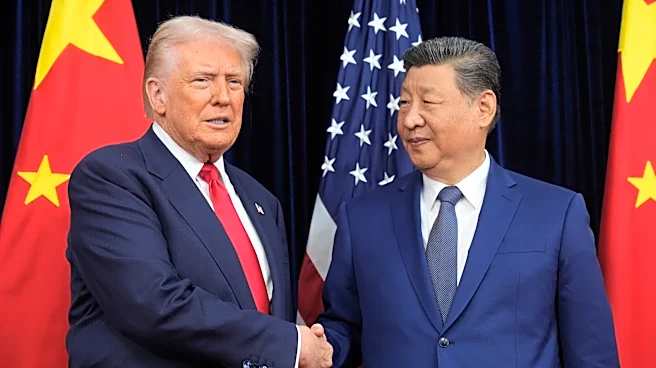
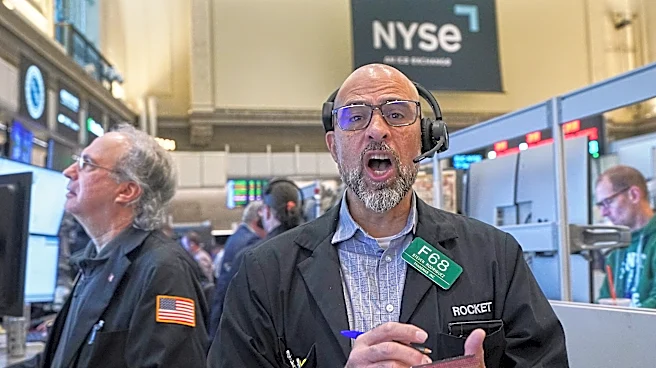
joined President Trump on his visit to China. The rally in memory chip stocks was partly fueled by supply concerns following the collapse of labor negotiations at Samsung Electronics, which raised the prospect of further disruptions in the already tight market for chips critical to artificial intelligence infrastructure. Samsung shares rose 1.8% in Seoul, while SK Hynix surged 7.7%. In the U.S., Micron Technology saw a 5.4% increase in premarket trading, with storage peers Sandisk, Western Digital, and Seagate also experiencing gains. Broader chip names like Qualcomm, Intel, Advanced Micro Devices, and Nvidia itself also saw increases, reflecting optimism that the Trump-Xi summit could ease trade tensions affecting the semiconductor supply chain.
Why It's Important?
The surge in AI chip stocks highlights the critical role of semiconductors in the global economy, particularly in the context of artificial intelligence infrastructure. The involvement of high-profile figures like Nvidia's CEO and President Trump in diplomatic engagements underscores the geopolitical significance of the semiconductor industry. The potential easing of trade tensions between the U.S. and China could stabilize the supply chain, benefiting companies involved in AI infrastructure. However, ongoing supply-side pressures, such as labor disputes at major manufacturers like Samsung, continue to pose risks. The developments could impact U.S. tech companies, investors, and the broader economy, as semiconductors are integral to various industries, including technology, automotive, and consumer electronics.
What's Next?
The outcome of the Trump-Xi summit could influence future trade policies and agreements, potentially affecting the semiconductor supply chain. Companies may need to navigate ongoing supply challenges and geopolitical tensions. Investors and industry stakeholders will likely monitor the situation closely, as any resolution or escalation could have significant implications for the market. Additionally, companies may explore diversifying their supply chains to mitigate risks associated with geopolitical uncertainties.