






What's Happening?
The Environmental Protection Agency (EPA) has delayed the enforcement of a regulation that mandates grocery stores to switch to freezers not using hydrofluorocarbons (HFCs), potent climate superpollutants. This decision has drawn criticism from U.S. refrigeration
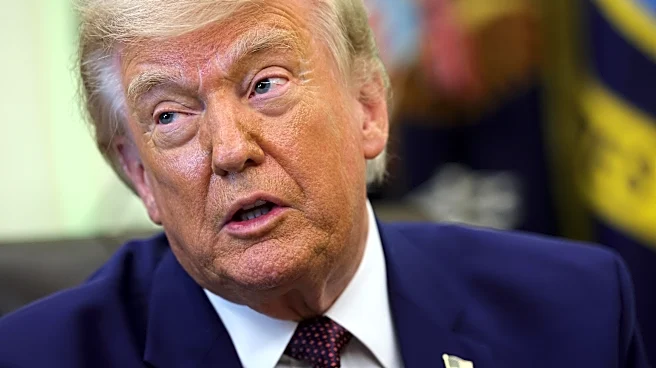
manufacturers who argue that it gives an economic advantage to Chinese appliance makers. President Trump, who returned to office last year, has been focused on reviving U.S. manufacturing through trade levies and deregulation. However, the recent rollback of the HFC regulation is seen as a setback for domestic manufacturers who have invested in developing climate-friendly alternatives. The delay allows foreign manufacturers to continue selling older, less environmentally friendly products in the U.S. market, potentially undermining the investments made by American companies in HFC alternatives.
Why It's Important?
The delay in phasing out HFCs could have significant implications for U.S. manufacturers and the environment. American companies that have invested in developing HFC alternatives may face financial losses as they compete with cheaper, less eco-friendly imports. This could hinder the U.S. manufacturing sector's ability to lead in climate-friendly technologies, affecting jobs and economic growth. Additionally, the continued use of HFCs, which are significantly more potent than carbon dioxide in driving global warming, could impede efforts to combat climate change. The decision also raises questions about the alignment of U.S. trade policies with environmental goals, potentially affecting international relations and trade agreements.
What's Next?
U.S. manufacturers may seek to challenge the EPA's decision or push for policy adjustments that protect their investments and market position. The delay could lead to increased lobbying efforts from industry groups advocating for a faster transition to HFC alternatives. Additionally, there may be calls for legislative action to ensure that U.S. environmental regulations support domestic innovation and competitiveness. The situation could also prompt discussions on balancing economic and environmental priorities in U.S. policy-making.