








What's Happening?
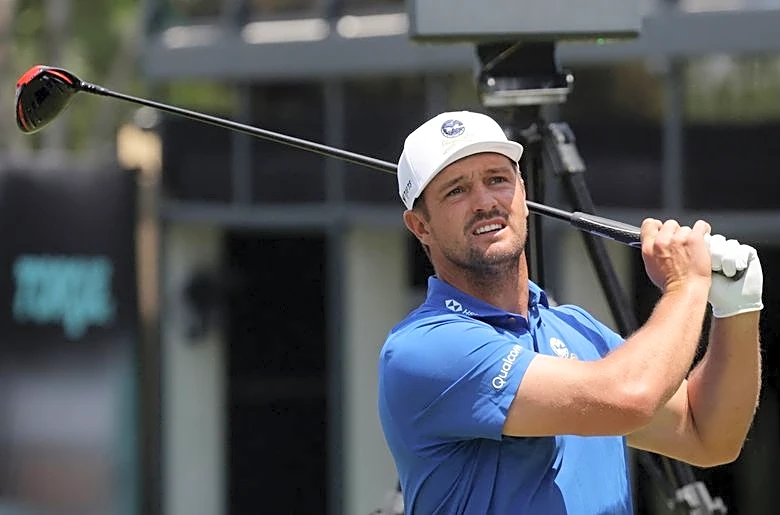
The PGA Tour is facing potential challenges regarding the return of high-profile golfers Bryson DeChambeau and Jon Rahm, as LIV Golf, the league they currently play for, faces financial uncertainty. Jon Rahm recently secured his second victory of the season
at a LIV Golf event in Mexico City, despite ongoing speculation about the future of the league due to potential withdrawal of financial support from Saudi Arabia's Public Investment Fund. This situation has raised questions about the pathways available for LIV Golf players to return to the PGA Tour. According to Rex Hoggard, a commentator on the Golf Channel Podcast, most LIV Golf players would need to go through qualifying schools or other tours like the DP World Tour or the Korn Ferry Tour to regain PGA Tour status. The Returning Member Program, which allowed a limited number of players to return, is not expected to be reinstated, posing a significant hurdle for players like DeChambeau and Rahm.
Why It's Important?
The potential return of Bryson DeChambeau and Jon Rahm to the PGA Tour is significant due to their high profiles and the impact they could have on the tour's competitiveness and viewership. Both players are major champions and have been key figures in the golfing world, which could attract larger audiences and increase the level of competition on the PGA Tour. However, their return is complicated by the fact that they left the PGA Tour for LIV Golf, a move that was controversial and has not gone as planned due to the league's financial instability. The PGA Tour must navigate these complexities while maintaining fairness and integrity in its membership policies. The situation also highlights the broader implications of player movements between competing golf leagues and the financial dynamics that influence these decisions.
What's Next?
As the situation unfolds, the PGA Tour will need to make decisions regarding the potential return of LIV Golf players, including DeChambeau and Rahm. Discussions led by PGA Tour CEO Brian Rolapp will be crucial in determining the pathways available for these players. The tour must balance the benefits of having top players return with the need to uphold its membership rules and the interests of current members. The outcome of these discussions could set precedents for how the PGA Tour handles similar situations in the future, especially if LIV Golf continues to face financial challenges. Stakeholders, including players, sponsors, and fans, will be closely watching the developments, as they could significantly impact the landscape of professional golf.