








What's Happening?
Hotels are increasingly focusing on creating a sense of community and comfort for long-stay guests, such as business travelers and remote workers, who often face challenges like isolation and disrupted routines. To address these issues, hotels are investing
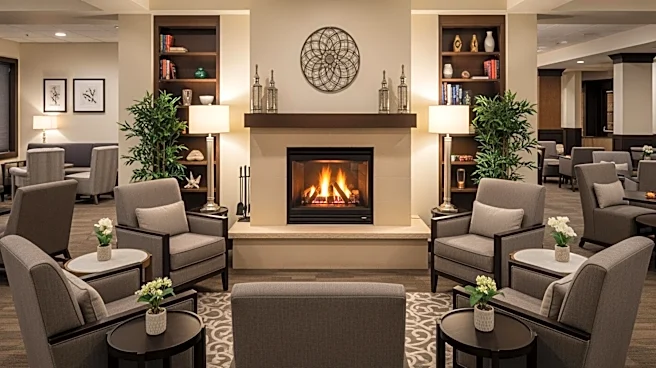
in communal spaces, local identity, and amenities that support daily routines. This approach includes shared lounges, cafes, coworking areas, and apartment-style amenities like kitchens and laundry facilities. The goal is to provide a sense of belonging and continuity, making extended stays feel less anonymous and more like a home away from home. Brands like Airbnb, CitizenM, and Ace Hotel have popularized this concept by integrating neighborhood culture and communal spaces into their offerings. Extended-stay chains like Marriott and Hilton are also adopting these strategies to enhance guest experiences.
Why It's Important?
The shift towards creating community-oriented environments in hotels is significant for the hospitality industry as it adapts to the needs of long-stay guests. This trend reflects a broader movement towards personalized and experience-driven travel, where guests seek more than just a place to sleep. By fostering a sense of belonging and routine, hotels can improve guest satisfaction and loyalty, potentially leading to increased bookings and revenue. This approach also aligns with the growing demand for flexible work and travel arrangements, as more people work remotely and travel for extended periods. As hotels compete to attract these guests, those that successfully create a welcoming and supportive environment may gain a competitive edge.
What's Next?
As the trend of extended stays continues to grow, hotels are likely to further innovate in creating community-focused environments. This could involve expanding partnerships with local businesses to offer unique experiences and insider tips, as well as enhancing technology to personalize guest interactions and services. Hotels may also explore new design concepts that emphasize local culture and identity, making each stay a unique experience. Additionally, the industry might see an increase in collaborations with coworking spaces and other service providers to offer comprehensive solutions for long-stay guests. These developments could redefine the hospitality landscape, with a focus on creating meaningful connections and experiences for travelers.