



What's Happening?
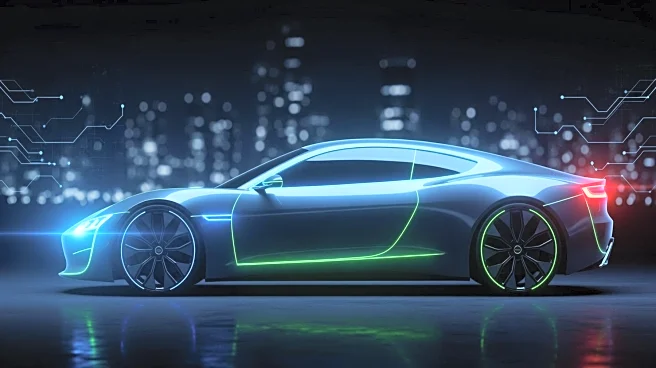
A recent survey by Cox Automotive highlights a growing interest among Gen Z consumers in Chinese electric vehicles (EVs). The survey indicates that 69% of Gen Z car shoppers are more likely to consider purchasing a Chinese brand, driven by their focus
on value, experience, and novelty. This shift in consumer motivation suggests a potential change in the U.S. automotive market dynamics. However, the survey also reveals a fragmented market with limited brand awareness and a significant gap between consumer curiosity and dealer readiness. While 40% of consumers support the entry of Chinese automotive brands into the U.S. market, only 15% of dealers share this sentiment. Despite this, 70% of dealers would adjust their strategies to remain competitive if Chinese brands entered the market.
Why It's Important?
The interest of Gen Z in Chinese EVs could signal a significant shift in the U.S. automotive industry, potentially challenging established domestic brands. As Gen Z's spending power is projected to grow to $12 trillion by 2030, their preferences could influence market trends and drive demand for more affordable and innovative vehicle options. The potential entry of Chinese brands into the U.S. market could lead to increased competition, prompting U.S. automakers to innovate and adapt to changing consumer preferences. This development also highlights the importance of understanding and catering to the values and expectations of younger consumers, who prioritize sustainability and technological advancements.
What's Next?
For Chinese EVs to successfully enter the U.S. market, a reduction in trade hostilities and the formation of new partnerships between U.S. and Chinese automakers may be necessary. Dealers and automakers will need to closely monitor consumer trends and adjust their strategies to cater to the evolving preferences of Gen Z. Additionally, the potential alignment of Chinese brands with established U.S. automakers could enhance consumer consideration and facilitate market entry. As the automotive landscape continues to evolve, stakeholders will need to remain agile and responsive to the changing dynamics driven by younger consumers.