





What's Happening?
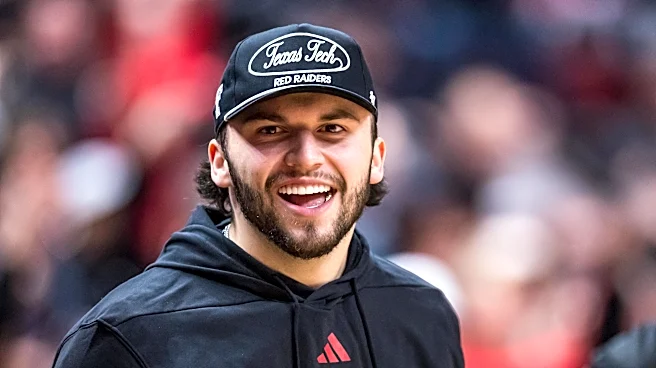
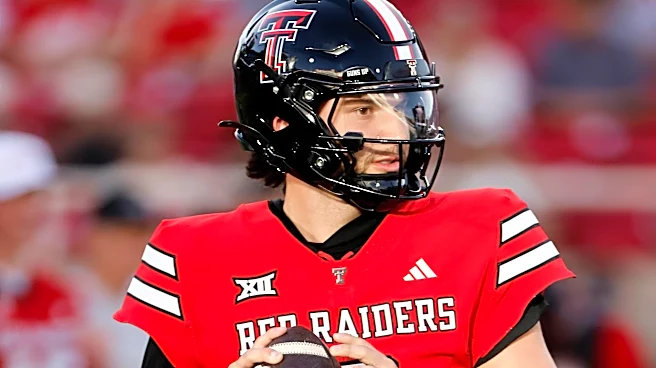
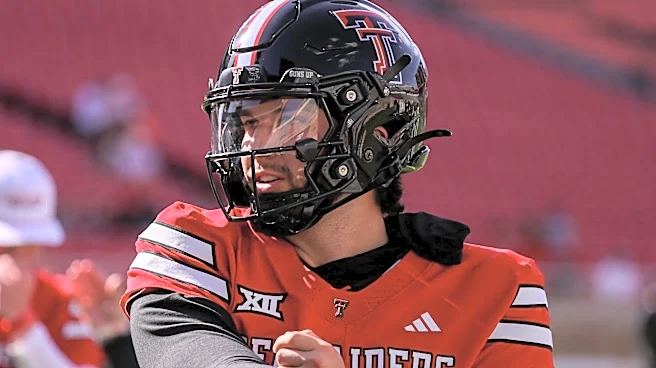
The SEC's Georgia Bulldogs have announced they will not schedule any future contests against Texas Tech following a court ruling that allows quarterback Brendan Sorsby to play despite his involvement in sports betting. Sorsby admitted to placing thousands
of bets, including on his own team, leading to his initial suspension by the NCAA. The ruling has sparked outrage across college sports, with several athletic directors and conference commissioners expressing concern over the decision's impact on the integrity of the sport. The Big Ten is also considering a league-wide mandate to avoid scheduling games against Texas Tech.
Why It's Important?
This development highlights the growing tension between college sports institutions and the legal system regarding the enforcement of gambling rules. The decision to allow Sorsby to play despite his betting activities undermines the NCAA's efforts to maintain fair play and could lead to a loss of trust in the outcomes of games. The refusal of teams like Georgia to play against Texas Tech could lead to significant scheduling challenges and financial implications for the Red Raiders. It also raises questions about the NCAA's ability to enforce its rules and the need for potential legislative intervention to address gambling in college sports.
What's Next?
The NCAA has filed an appeal against the court's decision, and the outcome could have significant implications for future cases involving athletes and gambling. More schools may join the boycott against Texas Tech, further complicating their scheduling and competitive prospects. The NCAA and college sports conferences may need to reevaluate their policies and enforcement mechanisms to prevent similar situations in the future. Additionally, there could be increased pressure on lawmakers to pass legislation that addresses gambling in college sports and strengthens the NCAA's ability to enforce its rules.