






What's Happening?
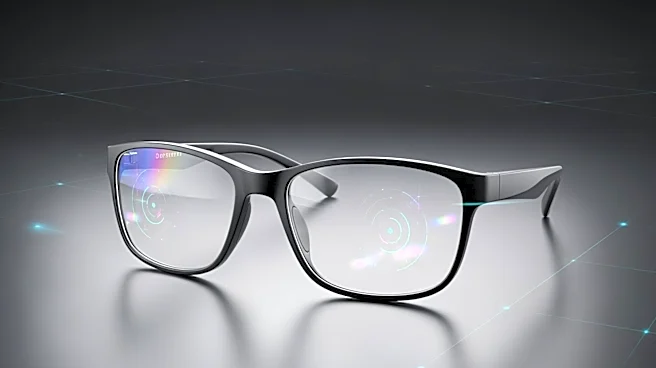
Major technology companies are making significant strides in augmented reality (AR) technology, particularly in the realm of virtual try-on tools. Google's recent demonstration of AI glasses in May 2026 highlights a shift towards practical, everyday use
of AR through hands-free assistants. Meta has reported substantial consumer adoption, with 7 million Ray-Ban smart glasses sold, indicating a growing market for AR devices. Additionally, platforms like Snap are introducing AI-driven tools that simplify AR content creation, enabling more users to develop AR experiences and shopping overlays. These advancements are part of a broader trend of integrating AR into e-commerce and consumer products, as companies reallocate resources to accelerate certain AR projects while discontinuing others.
Why It's Important?
The advancements in AR technology have significant implications for various industries, particularly e-commerce and consumer electronics. By making AR more accessible and practical, companies like Google and Meta are paving the way for new consumer experiences that blend digital and physical worlds. This could lead to increased consumer engagement and new revenue streams for businesses that adopt these technologies. The shift towards AR also raises questions about privacy and data security, as the technology often involves facial recognition and personal data collection. As AR becomes more mainstream, regulatory bodies may need to address these concerns to protect consumer rights.
What's Next?
As AR technology continues to evolve, we can expect further integration into everyday consumer products and services. Companies will likely focus on enhancing the user experience by improving the functionality and design of AR devices. Additionally, as more businesses adopt AR for e-commerce, there will be a growing need for developers to create innovative AR applications and content. This could lead to increased competition among tech firms to attract top talent and secure a leading position in the AR market. Regulatory developments may also emerge as governments seek to address privacy and security concerns associated with AR technology.