







What's Happening?
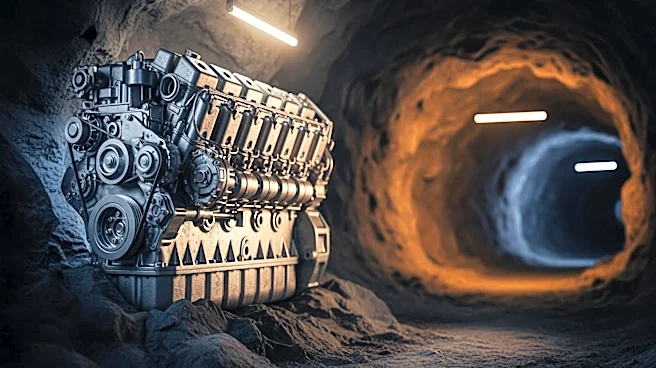
The mining industry is undergoing a significant transition towards using ultra-low zinc additives in drivetrain performance, driven by regulatory pressures and environmental concerns. Traditional zinc-based lubricants, which have been the standard for over
30 years, are being replaced by next-generation chemistries that offer improved performance and reduced environmental impact. These new formulations utilize phosphorus-based chemistry, which forms a protective film on metal surfaces without the corrosive side effects associated with zinc. This shift is partly in response to the European Chemicals Agency's reclassification of certain zinc components due to health and environmental risks. The new additives are designed to activate under milder conditions, providing superior durability and wear protection, and aligning with sustainability goals.
Why It's Important?
The move towards ultra-low zinc additives is crucial for the mining industry as it faces increasing scrutiny over environmental impacts. By adopting these new chemistries, companies can reduce the risk of zinc emissions and soil contamination, demonstrating a commitment to sustainability. This transition not only meets regulatory requirements but also enhances equipment performance, potentially leading to longer machinery life and reduced maintenance costs. The shift reflects a broader industry trend towards more environmentally friendly practices, which could influence other sectors reliant on heavy machinery. As companies adapt to these changes, they may gain a competitive edge by aligning operational goals with environmental obligations.