







What's Happening?
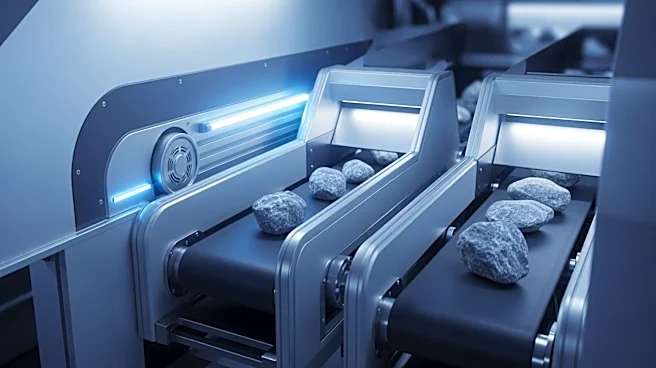
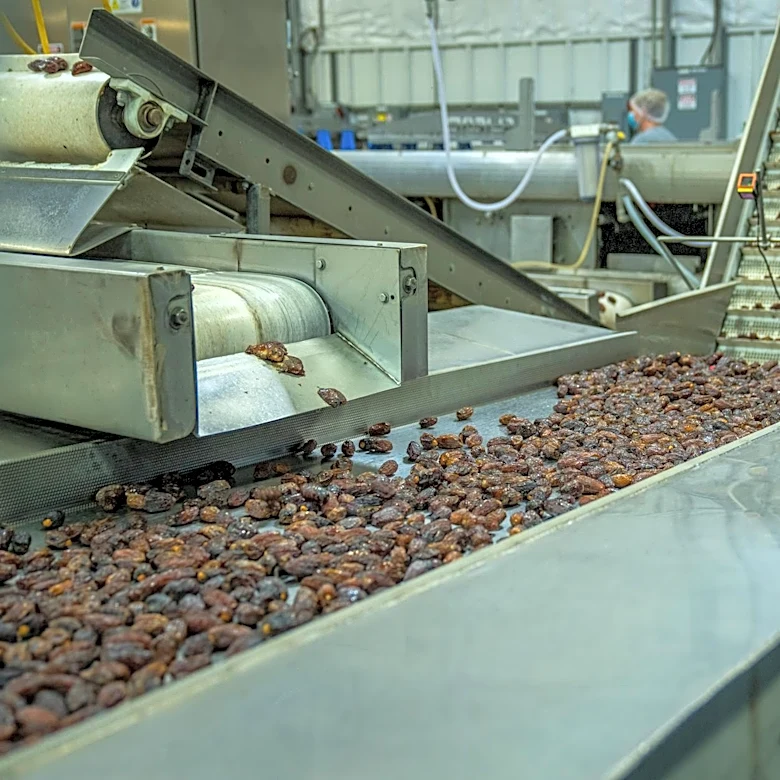
The Pilgangoora P1000 expansion at PLS' operation in Western Australia has successfully integrated sensor-based ore sorting into its lithium processing strategy. This development marks a significant shift from viewing ore sorting as an emerging technology
to a core component of day-to-day operations. The P1000 expansion builds on the earlier P680 project, demonstrating the reliability and efficiency of large-scale sensor-based sorting in managing geological variability and improving feed consistency. The integration of this technology has allowed Pilgangoora to increase its production rate to one million tons per annum, making it the world's largest lithium ore sorting operation. The sorting process helps remove barren and contaminant material early, ensuring a cleaner and more predictable feed to the wet plant, which supports operational efficiency and sustainability goals.
Why It's Important?
The integration of sensor-based ore sorting at Pilgangoora is a significant advancement for the lithium industry, providing a reliable and efficient method for processing complex ore bodies. This technology enhances operational stability and resource efficiency, crucial for large-scale lithium operations facing increasing pressure to meet production demands. By improving feed quality and reducing waste, the sorting process supports sustainability objectives and reduces the consumption of energy, water, and reagents. The success of this project sets a new benchmark for the industry, demonstrating that ore sorting can be a viable industrial-scale solution rather than a niche application. This development could influence future lithium processing strategies, encouraging other operations to adopt similar technologies to enhance their production capabilities and environmental performance.
What's Next?
As the Pilgangoora operation continues to demonstrate the benefits of sensor-based ore sorting, it is likely that other lithium projects will consider adopting similar technologies. The success of the P1000 expansion may lead to further investments in ore sorting technology, both at Pilgangoora and other sites globally. The ongoing collaboration between PLS and TOMRA, with robust on-site support and remote connectivity, will be crucial in maintaining the performance of the sorting installation. This partnership model could serve as a template for other operations looking to integrate advanced sorting technologies into their processing strategies. Additionally, the data-driven insights provided by the sorting circuit will continue to inform operational decisions and long-term planning, enhancing the overall efficiency and competitiveness of the Pilgangoora operation.