






What's Happening?
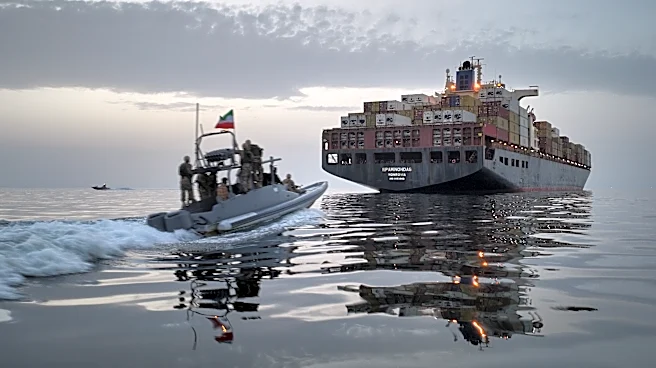
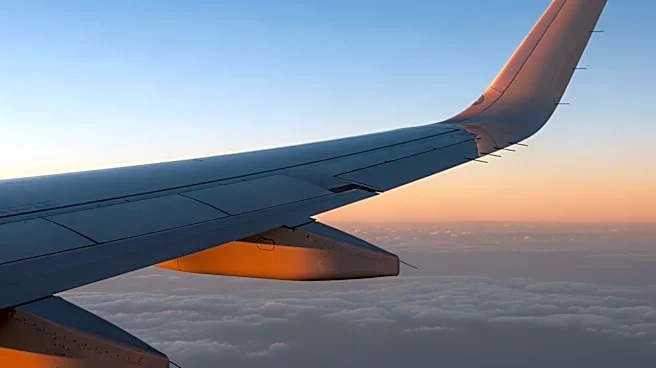
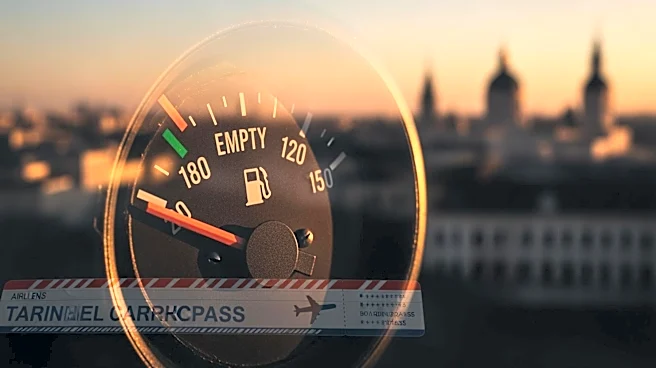
The European tourism sector is facing significant challenges as rising airfare prices and fuel shortages threaten to disrupt travel plans. The ongoing crisis in the Strait of Hormuz, a critical passage for global oil supply, has led to increased jet fuel costs,
resulting in higher airfares and reduced airline capacity. This situation is particularly concerning as the summer travel season approaches, with flight bookings from the U.S. to Europe already down by 11.2% compared to the previous year. United Airlines has indicated that flight prices could rise by 15% to 20% in the coming months. The uncertainty surrounding a potential deal between the U.S. and Iran further complicates the outlook for European tourism, which is heavily reliant on international visitors, including those from the U.S. and China.
Why It's Important?
The increase in airfare and the potential reduction in tourist inflow could have significant economic implications for the European luxury goods market, which relies heavily on spending by international tourists. Brands like Hermès and LVMH have already reported disruptions due to decreased tourism from regions like the Middle East. The situation is exacerbated by the fact that high-income tourists, who are less sensitive to price changes, may still travel but could alter their spending habits. Middle-high-income consumers, on the other hand, are more likely to cut back on travel or spending, impacting the overall economic contribution of tourism to the European economy. This could lead to a ripple effect, affecting not only the luxury sector but also broader economic activities tied to tourism.
What's Next?
As the summer travel season approaches, airlines and tourism-dependent businesses will need to navigate these challenges carefully. Airlines may need to adjust their routes and pricing strategies to accommodate the changing landscape, while luxury brands might focus on attracting local consumers or diversifying their markets. The potential for a geopolitical resolution, such as a deal between the U.S. and Iran, could alleviate some of the pressures on fuel supply and prices, but the timeline and likelihood of such developments remain uncertain. Stakeholders in the tourism and luxury sectors will be closely monitoring these dynamics to adapt their strategies accordingly.