



What's Happening?
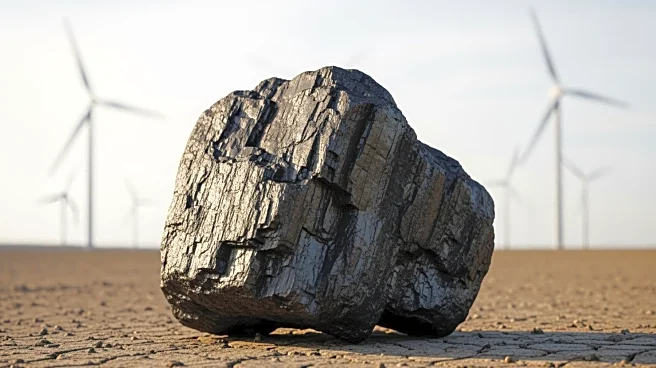
The U.S. coal industry is projected to experience a 5.1% decline in production in 2026. This decrease is attributed to the ongoing transition of utilities away from coal-fired power generation towards more sustainable energy sources. The share of coal in the national power mix, which fell below 20% in 2024, is expected to continue its downward trend as renewable energy capacity increases and natural gas remains a cost-effective alternative. The structural retirement of coal-fired power plants, coupled with limited growth in coal exports, is anticipated to further contribute to the decline in production. This trend is part of a broader global pattern, with countries like China and Indonesia also facing similar challenges in their coal industries
due to oversupply and weak demand.
Why It's Important?
The decline in coal production in the U.S. signifies a significant shift in the energy landscape, with potential implications for the economy and the environment. As the country moves towards cleaner energy sources, the coal industry faces economic challenges, including job losses and reduced revenues for coal-dependent regions. However, this transition also presents opportunities for growth in the renewable energy sector, which could lead to new jobs and investments. The shift away from coal is also crucial for reducing carbon emissions and combating climate change, aligning with national and global environmental goals. Stakeholders in the energy sector, including policymakers and businesses, will need to navigate these changes to balance economic and environmental priorities.
What's Next?
As the U.S. continues to transition towards renewable energy, further policy measures and investments in clean energy infrastructure are expected. This may include increased support for solar, wind, and other renewable technologies, as well as initiatives to retrain workers from the coal industry for jobs in the renewable sector. The government and industry leaders will likely focus on ensuring a just transition for affected communities, providing economic support and development opportunities. Additionally, the ongoing decline in coal production may prompt further discussions on energy security and the diversification of the national energy portfolio.