





What's Happening?
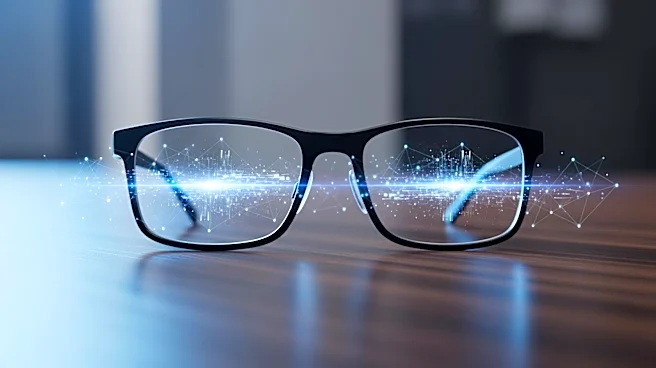
Meta is reportedly planning to release up to four new models of smart glasses this year, according to an internal memo viewed by The Information. The memo, authored by Meta Wearable VP Alex Himel, outlines the company's strategy to expand its smart glasses lineup,
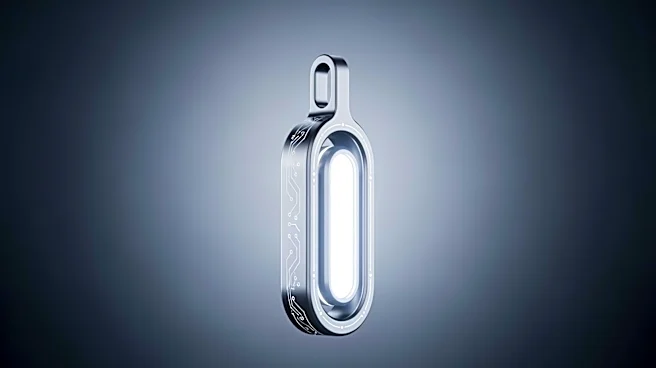
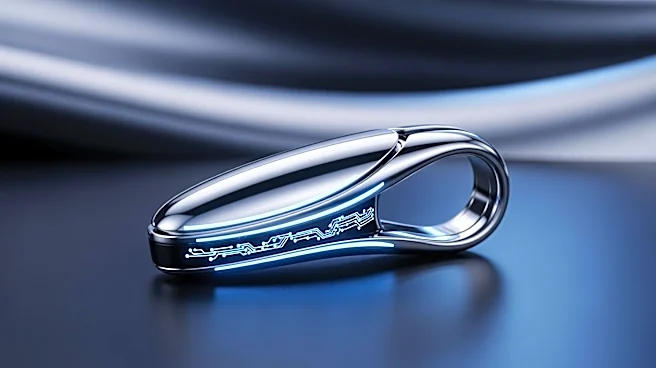
which currently includes Ray-Ban Oakley models. The new models, codenamed 'Modelo', 'Luna', 'RBM2 Refresh', and 'Mojito VIP', are expected to be released throughout the year. Additionally, Meta is developing an AI pendant, with testing scheduled to begin next year. This pendant is similar to technology from Limitless, a startup acquired by Meta in 2025. The company aims to sell 10 million wearables in the second half of 2026, with plans to increase production capacity to 20 million units annually by the end of 2026.
Why It's Important?
Meta's aggressive push into the smart glasses market signifies a strategic shift towards wearable technology and AI integration. This move could position Meta as a leader in the burgeoning smart glasses industry, potentially reshaping consumer electronics and wearable tech markets. The expansion of Meta's product lineup and the introduction of AI-powered devices could drive innovation and competition, influencing other tech companies to enhance their offerings. The anticipated sales volume indicates strong market confidence and could lead to significant revenue growth for Meta. Additionally, the 'Wearables for Work' subscription service could create a new revenue stream, reducing reliance on one-time device sales.
What's Next?
Meta's focus on smart glasses and AI technology suggests a continued pivot away from its previous emphasis on VR and the metaverse. The company's partnership with EssilorLuxottica, extended to 2030, will likely play a crucial role in scaling production and meeting sales targets. As Meta prepares to launch these new products, market reception and consumer demand will be critical in determining the success of this initiative. The development of the AI pendant and its potential applications could further enhance Meta's product ecosystem, offering new functionalities and user experiences.