



What's Happening?
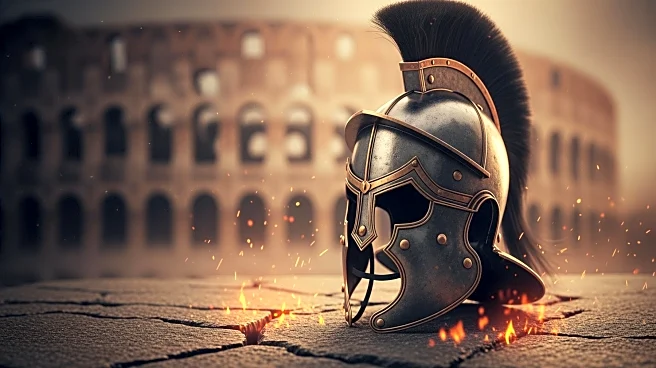
Starz has premiered 'Spartacus: House of Ashur', a reboot of the popular series, under the direction of Steven S. DeKnight. The show revisits the character Ashur, played by Nick E. Tarabay, who was previously killed by Spartacus. In this new narrative, Ashur finds himself in the underworld, only to be sent back to Earth in an alternate timeline where he has killed Spartacus. The series, known for its mix of graphic violence and political intrigue, introduces new characters and dynamics, including a female gladiator, Achillia, portrayed by Tenika Davis. The storyline unfolds in the backdrop of ancient Rome, with political figures like Pompey and Crassus influencing the off-screen narrative. The show maintains its signature style of intense drama
and elaborate fight scenes, appealing to fans of the original series.
Why It's Important?
The reboot of 'Spartacus: House of Ashur' signifies Starz's commitment to reviving popular franchises with fresh narratives. This move could attract both old fans and new viewers, potentially boosting the network's viewership and subscription rates. The series' focus on themes of power, rebellion, and societal structures resonates with contemporary audiences, offering a lens to explore historical narratives through modern storytelling techniques. The inclusion of diverse characters, such as a female gladiator, reflects a broader industry trend towards inclusivity and representation, which could enhance the show's appeal across different demographics.
What's Next?
As 'Spartacus: House of Ashur' progresses, viewers can expect further development of its characters and plotlines. The series may explore deeper political and social themes, potentially setting the stage for future seasons. The reception of the initial episodes will likely influence Starz's decision on the continuation of the series. Additionally, the show's success could inspire other networks to consider similar reboots of historical dramas, leveraging nostalgia while introducing innovative storytelling elements.
Beyond the Headlines
The reboot of 'Spartacus: House of Ashur' raises questions about the portrayal of historical events and figures in modern media. The series' creative liberties with historical accuracy highlight the balance between entertainment and education in historical dramas. This approach can spark discussions about the ethical responsibilities of media producers in representing history, particularly in how they address issues of violence, power, and cultural dynamics. The show's narrative choices may also influence audience perceptions of historical events, underscoring the impact of media on public understanding of history.