

What's Happening?
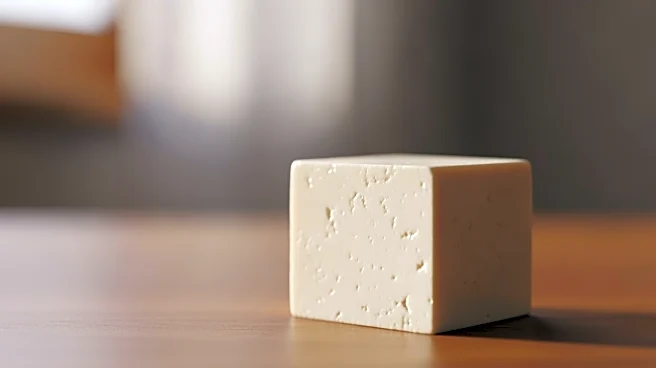
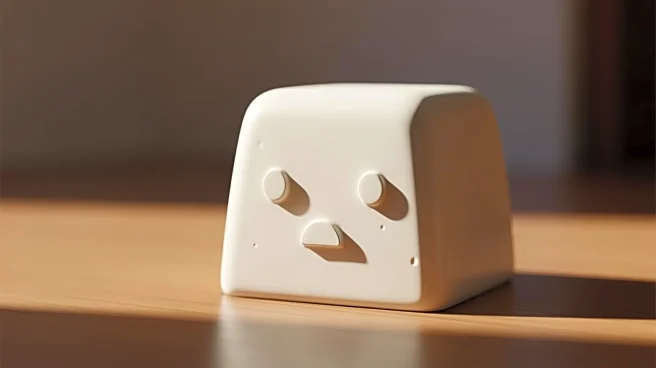
In response to fan requests for a male protagonist in the upcoming delivery simulation game 'Honcho,' indie developer Greg Pryjmachuk has introduced a unique character option: Mr. Tofu, a sentient block of tofu. This decision came after a fan expressed
a desire to play as a male character, citing personal immersion preferences. Pryjmachuk, acknowledging the constraints of indie game development, offered Mr. Tofu as a compromise, allowing players to hide the player's body and hands. This creative solution has been highlighted by Pryjmachuk on social media, turning the exchange into a viral marketing moment for the game. The game, which is yet to be released, will allow players to select Mr. Tofu by entering 'Tofu' as their name at the start of the game.
Why It's Important?
This development highlights the challenges and creative solutions indie developers face in meeting diverse player expectations with limited resources. By introducing Mr. Tofu, Pryjmachuk not only addresses a specific fan request but also showcases the flexibility and innovation often required in indie game development. This move could influence how other developers approach character customization and player feedback, potentially leading to more inclusive and imaginative gaming experiences. Additionally, the viral nature of this story underscores the power of social media in promoting indie games, offering a lesson in how developers can engage with their audience and generate interest in their projects.
What's Next?
As 'Honcho' approaches its release, it will be interesting to see how players respond to the inclusion of Mr. Tofu and whether this character option will influence the game's reception. The developer's approach to player feedback may encourage other indie developers to explore unconventional solutions to similar requests. Furthermore, the game's success could lead to more opportunities for Pryjmachuk to expand the game's features, potentially including more character options in the future. The gaming community's reaction to this creative compromise will likely shape future discussions on character representation and customization in indie games.