
What's Happening?
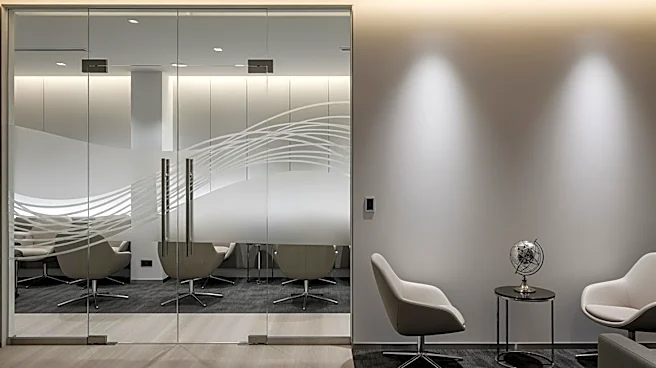
United Airlines has revised the access rules for its Polaris Lounges, which are premium facilities designed for long-haul business class passengers. These lounges, located in major U.S. airports such as Chicago,
Houston, Los Angeles, Newark, San Francisco, and Washington, offer amenities like a la carte dining, nap rooms, and shower suites. The new access policy is more restrictive, allowing entry primarily to passengers traveling on flights marketed as United Polaris. This includes select international routes to destinations in Africa, Asia, Europe, the South Pacific, and South America. Notably, passengers with 'basic' Polaris tickets are excluded from lounge access, while those with 'standard' and 'flexible' tickets are eligible. Additionally, certain Star Alliance partner airline passengers in first or business class can access the lounges, but only at the international gateway prior to their long-haul flight.
Why It's Important?
The changes to United Polaris Lounge access rules reflect a broader trend among major U.S. airlines to enhance the exclusivity and quality of their premium services. By tightening access, United aims to maintain a high standard of service and comfort for its long-haul business class passengers, potentially increasing customer satisfaction and loyalty. This move could influence competitive dynamics among airlines, as they strive to differentiate their premium offerings. For travelers, the new rules mean that elite status alone is insufficient for lounge access, emphasizing the importance of ticket type. This could impact travel planning and purchasing decisions, particularly for frequent international travelers who value lounge amenities.
What's Next?
As United continues to refine its premium services, further adjustments to lounge access policies may occur, especially as the airline introduces new aircraft and routes. The upcoming introduction of 'Coastliner' A321neos, which will feature Polaris-marketed cabins on transcontinental flights, could expand lounge access to domestic routes in the future. Additionally, United's competitors may respond by enhancing their own lounge offerings or adjusting access criteria to attract high-value customers. Travelers should stay informed about these changes to optimize their travel experience and benefits.