







What's Happening?
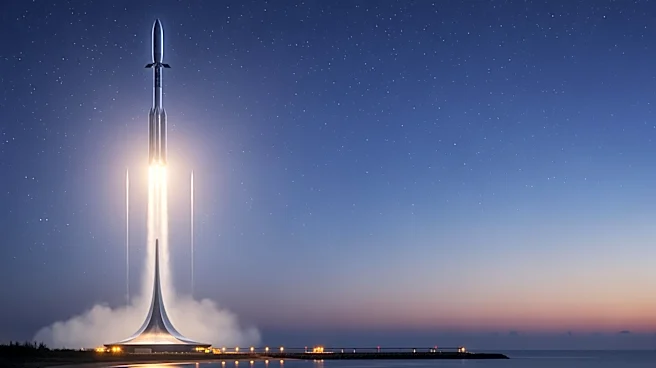
SpaceX has successfully launched 29 Starlink satellites into orbit, further expanding its global internet network. The launch took place on May 1, 2026, from Florida's Space Coast using a Falcon 9 rocket. A video posted by Michael Nicolls, vice president
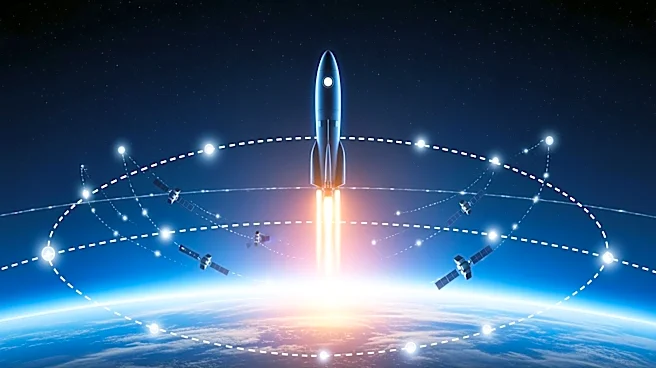
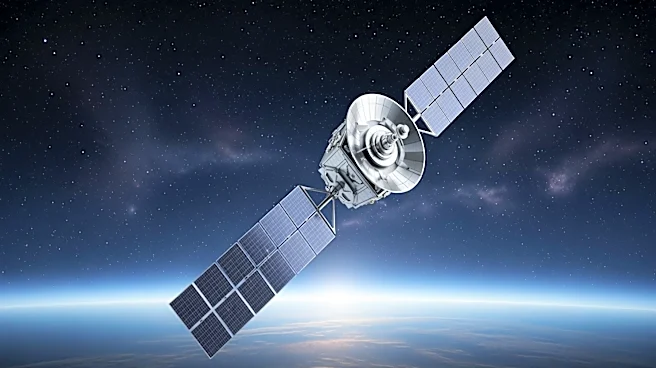
of Starlink engineering at SpaceX, showcases the satellites' journey as they orbit the Earth, experiencing sunrise and sunset. The video highlights the deployment sequence and the satellites' separation as they begin their orbit raise. This launch is part of SpaceX's ongoing efforts to build the largest satellite network, which currently consists of over 10,300 satellites. The company has conducted 53 Falcon 9 missions in 2026, with 43 dedicated to Starlink.
Why It's Important?
The expansion of the Starlink satellite network is significant for global internet connectivity, particularly in remote and underserved areas. By increasing the number of satellites, SpaceX aims to provide high-speed internet access worldwide, potentially transforming communication and information access. This development is crucial for bridging the digital divide and enhancing connectivity in regions lacking traditional infrastructure. Additionally, the growing network supports various industries, including telecommunications, navigation, and emergency services, by offering reliable and fast internet services. The success of these launches also demonstrates SpaceX's capability to maintain a rapid launch cadence, reinforcing its position as a leader in the commercial space industry.
What's Next?
SpaceX is expected to continue its aggressive launch schedule to further expand the Starlink constellation. As more satellites are deployed, the company will likely enhance its service coverage and capacity, aiming to provide seamless internet access globally. Future launches will focus on increasing the network's density and improving service quality. Additionally, SpaceX may explore partnerships with governments and organizations to integrate Starlink services into public infrastructure and emergency response systems. The company will also need to address regulatory challenges and collaborate with international space agencies to manage the growing number of satellites in orbit.