






What's Happening?
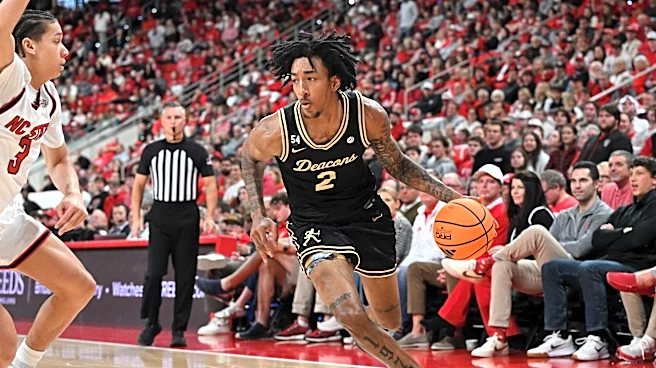
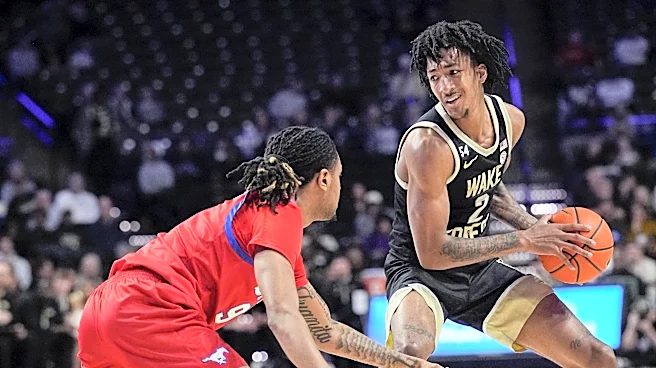
The Tennessee Volunteers have secured a significant commitment from Juke Harris, a transfer from Wake Forest, enhancing their prospects for the upcoming college basketball season. Harris, a standout player from Salisbury, North Carolina, averaged 21.4
points and 6.5 rebounds per game last season. His addition to the team is part of a broader strategy by coach Rick Barnes to assemble one of the strongest recruiting classes in 2026, currently ranked second by 247Sports. Harris' commitment comes with a substantial financial investment, reportedly commanding a $5 million price tag, making him one of the most expensive players in college basketball. This move is part of Tennessee's effort to build a team capable of reaching the Final Four, a milestone the school has yet to achieve.
Why It's Important?
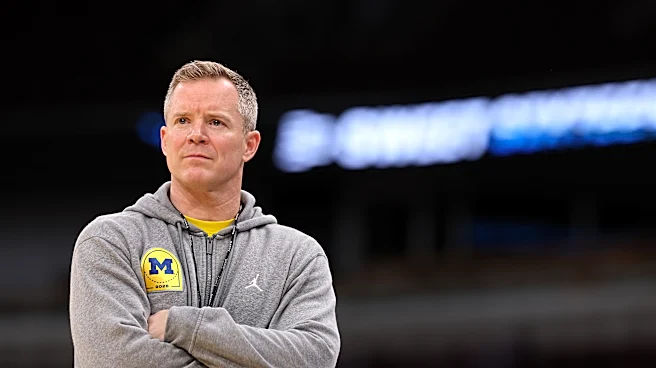
Juke Harris' commitment to Tennessee is a strategic move that positions the Volunteers as serious contenders for the Final Four. The financial investment in Harris underscores the increasing influence of NIL (Name, Image, Likeness) deals in college sports, where top talent is being lured with lucrative offers. For Tennessee, this commitment is not just about enhancing their roster but also about breaking their historical barrier of never reaching the Final Four. Coach Rick Barnes, who is nearing the end of his career, is making a final push to achieve this milestone, leveraging a mix of experienced transfers and promising recruits. This development highlights the competitive nature of college basketball recruiting and the lengths programs will go to secure top talent.
What's Next?
With Harris on board, Tennessee will focus on integrating him into their system alongside other key recruits and transfers. The team is expected to have a strong offensive lineup, complemented by a historically solid defense under Barnes. As the season approaches, Tennessee will aim to maintain their top-10 ranking and build momentum towards a deep NCAA tournament run. The success of this strategy will depend on the team's ability to gel and perform under pressure, as well as Barnes' ability to manage a roster with high expectations and significant financial investments.