



What's Happening?
OpenAI has revised its agreement with the Pentagon to address concerns over the potential use of its AI systems for domestic surveillance. The updated contract explicitly states that OpenAI's AI systems will not be used for domestic surveillance of U.S.
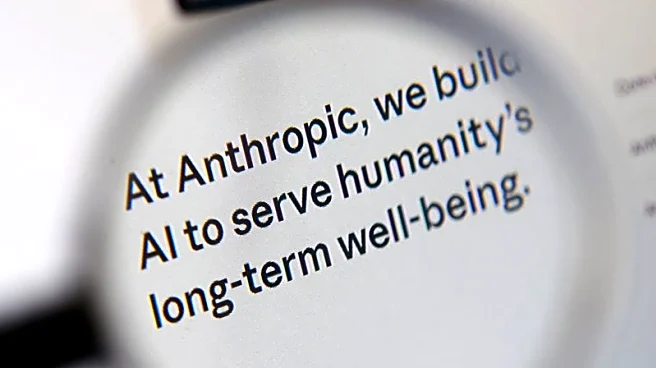
citizens. This change follows criticism of the initial agreement, which was perceived to have loopholes allowing government surveillance. The revision comes amid a broader debate involving another AI company, Anthropic, which has resisted Pentagon demands to use its systems for any lawful purpose, including domestic surveillance. OpenAI's CEO, Sam Altman, emphasized the importance of protecting civil liberties and clarified that the Department of War intelligence agencies, such as the NSA, are excluded from using their services under this agreement.
Why It's Important?
The revision of OpenAI's agreement with the Pentagon is significant as it highlights the ongoing tension between technological innovation and privacy concerns. The use of AI in military operations raises ethical questions, particularly regarding surveillance and civil liberties. The decision by OpenAI to limit the use of its AI systems for domestic surveillance reflects a growing awareness and responsibility among tech companies to safeguard privacy. This move could influence other tech companies and set a precedent for how AI technologies are integrated into government operations. The outcome of this situation could impact public trust in AI technologies and shape future regulatory frameworks.
What's Next?
The revised agreement may lead to further scrutiny and calls for transparency regarding the use of AI in government operations. Legal experts and privacy advocates are likely to continue pushing for the full disclosure of the contract terms to ensure that the protections against domestic surveillance are robust and enforceable. The Pentagon's relationship with AI companies like Anthropic and OpenAI will be closely watched, as these partnerships are crucial for national security. The ongoing dialogue between tech companies and the government may result in new policies or guidelines governing the ethical use of AI in military contexts.
Beyond the Headlines
The situation underscores the broader implications of AI deployment in national security, particularly the balance between innovation and ethical considerations. The debate highlights the need for updated legal frameworks that address the capabilities of modern AI systems. As AI technologies evolve, the potential for misuse increases, necessitating clear guidelines and oversight to prevent violations of privacy and civil liberties. This development may also prompt discussions about the role of tech companies in shaping public policy and their responsibility to act as stewards of ethical technology use.