






What's Happening?
Apeel Sciences, a company known for its plant-based coatings that extend the shelf life of produce, has faced significant challenges due to a misinformation campaign. Founded in 2012, Apeel was once a thriving company with a $2 billion valuation and 450
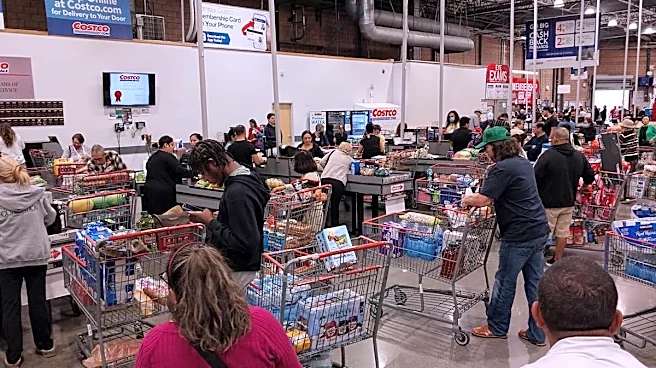
employees. However, it has been reduced to 50 staff members, primarily operating outside the U.S. The company has been battling false claims on social media that its products are toxic, which led to major retailers like Costco and potential partners such as Walmart and Kroger distancing themselves. Apeel's co-founder, Dr. James Rogers, acknowledges that the company had already initiated layoffs in 2022 due to inefficiencies, but the misinformation campaign exacerbated their struggles. Despite these challenges, Apeel has continued to innovate, improving its product formulations to reduce costs and complexity, and expanding its product line to include anti-fungal washes and portable quality measurement tools.
Why It's Important?
The situation with Apeel Sciences highlights the impact of misinformation on businesses, particularly in the food technology sector. The false claims have not only damaged Apeel's reputation but also affected its financial stability, leading to significant revenue losses and a reduction in workforce. This case underscores the vulnerability of companies to coordinated online attacks and the importance of effective communication strategies to counter misinformation. The broader implications for the U.S. food industry include potential hesitancy among retailers to adopt innovative technologies due to fear of backlash, which could slow down advancements in food preservation and sustainability. Apeel's experience also raises questions about the role of social media platforms in regulating false information and the legal recourse available to companies facing such challenges.
What's Next?
Apeel Sciences is working to rebuild its business in the U.S. by continuing to innovate and improve its product offerings. The company is focusing on expanding its presence in Europe, the Middle East, and Africa, where it has seen growth. Apeel is also engaging in legal actions against those spreading misinformation, which may help deter future attacks. The company hopes to regain the trust of U.S. retailers and consumers by demonstrating the safety and efficacy of its products. As the misinformation campaign subsides, there is potential for Apeel to re-establish partnerships with major retailers and expand its market share. The outcome of these efforts will depend on the company's ability to effectively communicate the benefits of its technology and navigate the complex landscape of public perception and regulatory challenges.
Beyond the Headlines
The Apeel Sciences case illustrates the broader issue of how misinformation can be weaponized against companies, particularly those in innovative sectors like food technology. This situation highlights the need for robust legal frameworks to protect businesses from false claims and the importance of transparency in corporate communications. Additionally, it raises ethical questions about the responsibility of influencers and social media platforms in spreading or curbing misinformation. The long-term impact on Apeel and similar companies will depend on their ability to adapt to these challenges and the willingness of stakeholders to support innovative solutions in the face of public skepticism.