






What's Happening?
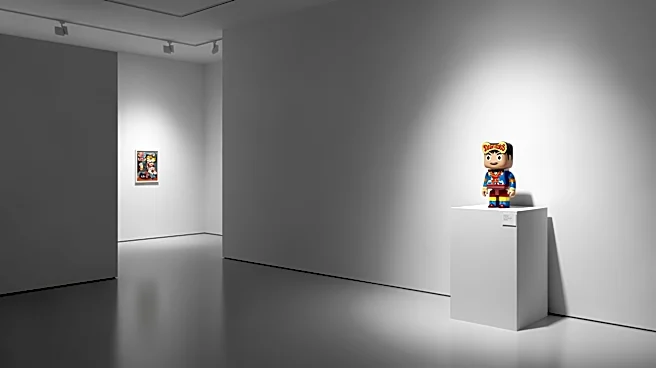
Gallery 1988, a renowned pop culture-focused art gallery in Los Angeles, is closing after 20 years of operation. The gallery, known for its exhibitions celebrating television, film, and video games, has struggled with declining market conditions. Owner
Katie Sutton cited the worst art market conditions in over two decades as a key factor in the decision to close. The rise of AI-generated content and a contraction in the entertainment industry have been suggested as contributing factors to the gallery's challenges. The closure reflects broader difficulties faced by art galleries in maintaining operations amid changing consumer behaviors and economic pressures.
Why It's Important?
The closure of Gallery 1988 underscores the challenges faced by art galleries, particularly those focused on niche markets like pop culture. The rise of AI-generated content has disrupted traditional art markets, potentially devaluing original works and impacting artists' livelihoods. Additionally, the contraction of the entertainment industry in Los Angeles has reduced disposable income among potential art buyers, further straining galleries. This development highlights the need for art institutions to adapt to technological advancements and shifting consumer preferences to remain viable. The closure also raises concerns about the sustainability of art communities and the opportunities available for emerging artists.
Beyond the Headlines
The closure of Gallery 1988 may have broader implications for the cultural landscape in Los Angeles and beyond. As galleries struggle to compete with digital platforms and AI-generated content, there may be a shift in how art is created, distributed, and consumed. This could lead to a reevaluation of the value placed on traditional art forms and the role of galleries in fostering artistic communities. The situation also raises ethical questions about the impact of technology on creative industries and the preservation of cultural heritage. Artists and art institutions may need to explore new models of engagement and collaboration to thrive in this evolving environment.