



What's Happening?
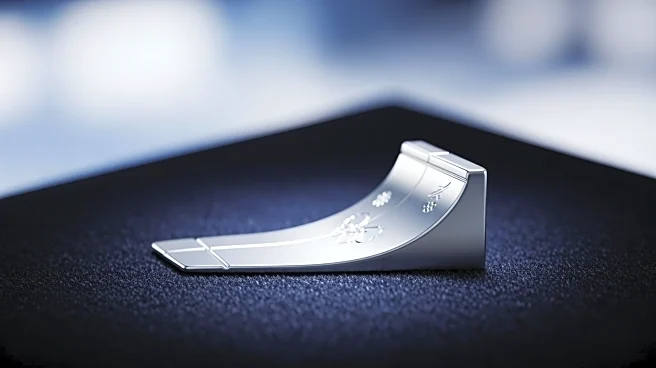
At the Milan Cortina Games, a special Olympic pin is being used to honor the late Canadian freeskier Sarah Burke, who was instrumental in bringing women's halfpipe skiing to the Olympics. Burke, who passed away in a training accident in 2012, was a pioneering figure in the sport, encouraging female participation and lobbying for its inclusion in the Olympic program. To commemorate her contributions, Canadian coach Trennon Paynter created 200 pins with 'Sarah' inscribed in red script, reminiscent of the stickers worn by skiers in her memory. These pins have become a symbol of her legacy, as athletes continue to honor her impact on the sport.
Why It's Important?
Sarah Burke's legacy is significant as she played a crucial role in legitimizing women's participation
in halfpipe skiing, a sport that was predominantly male-dominated. Her efforts not only paved the way for female athletes to compete at the highest level but also inspired a new generation of skiers. The pins serve as a reminder of her influence and the progress made in gender equality within sports. This recognition highlights the ongoing impact of her advocacy, as the sport continues to grow and evolve, providing more opportunities for women in competitive skiing.
What's Next?
The distribution of the pins at the Olympics is expected to continue spreading awareness of Sarah Burke's contributions. Coach Trennon Paynter plans to produce more pins, with proceeds benefiting Burke's charitable foundation. This initiative may inspire further tributes and support for women's sports, encouraging more female athletes to pursue careers in competitive skiing. As the sport gains popularity, stakeholders may push for additional events and support systems to nurture female talent, ensuring Burke's legacy endures.
Beyond the Headlines
Sarah Burke's story underscores the broader cultural shift towards inclusivity and recognition of women's achievements in sports. Her legacy challenges traditional gender roles and highlights the importance of advocacy in effecting change. The pins not only honor her memory but also serve as a symbol of resilience and determination, inspiring athletes across disciplines to strive for equality and representation. This development may encourage other sports to reflect on their gender dynamics and promote more inclusive practices.