



What's Happening?
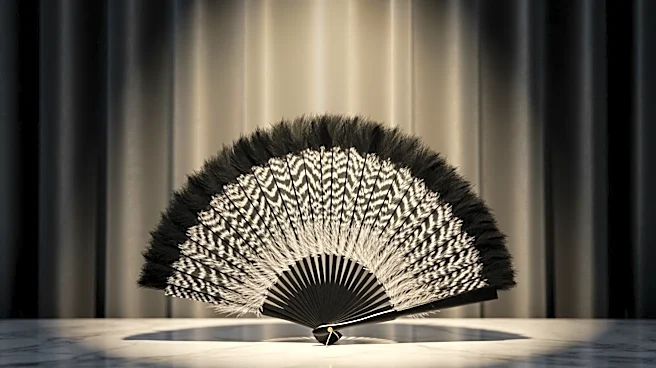
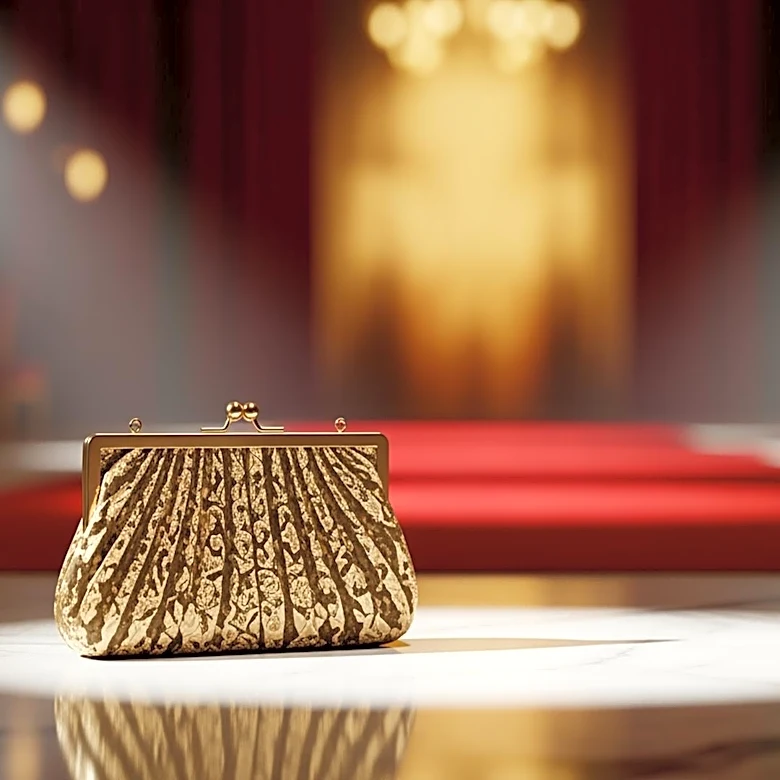
The Met Gala, known for its extravagant fashion displays, has recently seen a surge in AI-generated images that blur the lines between reality and digital art. A digital artist known as RickDick, who has collaborated with major fashion brands like Moschino
and United Colors of Benetton, released AI-generated images of the Met Gala on Instagram. These images, which include celebrities like Pedro Pascal and Jared Leto in imaginative outfits, quickly went viral, amassing nearly 900,000 likes. RickDick's work, while intended as art, has sparked discussions about the authenticity of such images, as they are often mistaken for real photographs from the event. The artist emphasizes that his creations are meant to entertain and provoke thought, not deceive, although they are not explicitly labeled as AI-generated.
Why It's Important?
The proliferation of AI-generated images at high-profile events like the Met Gala raises important questions about the nature of art and authenticity in the digital age. As AI technology becomes more sophisticated, distinguishing between real and fabricated images becomes increasingly challenging, potentially impacting public perception and trust. This trend also highlights the evolving role of digital artists in the fashion industry, where traditional boundaries are being redefined. For the fashion world, this could mean a shift in how events are perceived and reported, with implications for media coverage and consumer engagement. The debate over AI's role in creative industries underscores the need for clear guidelines and transparency to maintain credibility and trust.
What's Next?
As AI continues to influence the fashion industry, stakeholders may need to establish clearer guidelines for the use of AI-generated content. This could involve labeling requirements to distinguish AI art from real images, ensuring transparency for audiences. Fashion brands and event organizers might also explore collaborations with digital artists to harness AI's creative potential while maintaining authenticity. Additionally, the conversation around AI in fashion could lead to broader discussions about intellectual property rights and the ethical use of technology in creative fields. The response from industry leaders and consumers will likely shape the future integration of AI in fashion and other creative industries.
Beyond the Headlines
The use of AI in creating Met Gala images reflects broader cultural shifts towards digital and virtual experiences. As society becomes more accustomed to digital art forms, the definition of art itself may evolve, challenging traditional notions of creativity and originality. This development also raises ethical considerations about the potential for AI to manipulate public perception and the responsibilities of artists and platforms in preventing misinformation. The intersection of AI and fashion could lead to new forms of expression and innovation, but it also necessitates a careful balance between creativity and ethical considerations.