






What's Happening?
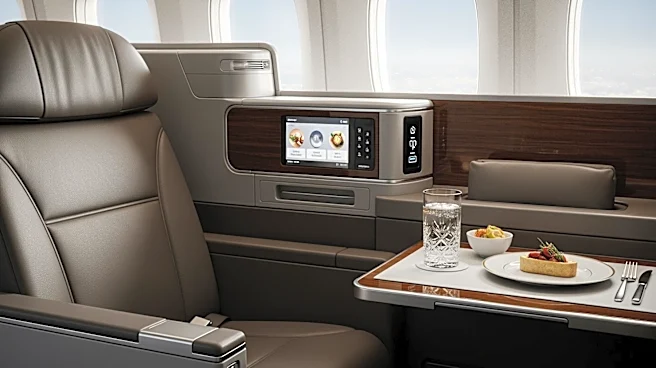
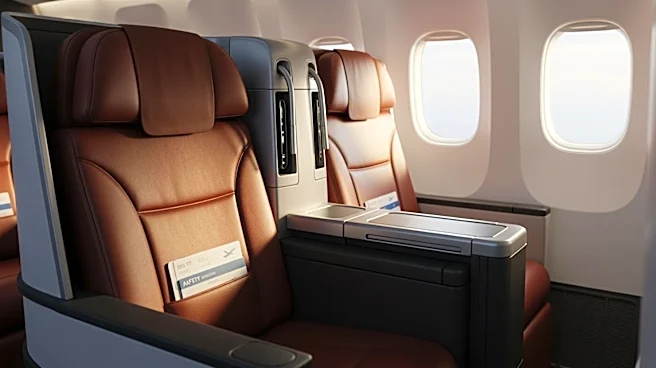
Scott Kirby, the CEO of United Airlines, was recently spotted flying first class on American Airlines, a company where he previously served as president from 2013 to 2016. This sighting has generated significant attention on social media, particularly
because Kirby has been known to criticize American Airlines and even proposed a merger with them, which was rejected. Despite his current position at United, Kirby retains lifetime travel benefits with American Airlines due to his past tenure. The incident was highlighted by a Facebook post from a flight attendant who recognized Kirby and shared a photo, leading to widespread discussion about his choice to fly with a rival airline.
Why It's Important?
The incident underscores the complex relationships and competitive dynamics within the airline industry. Kirby's decision to fly with American Airlines, despite leading a major competitor, highlights the personal and professional ties that can influence executive decisions. This event also brings attention to the ongoing rivalry between United and American Airlines, particularly in light of Kirby's previous attempts to merge the two companies. Such actions can have significant implications for market competition, regulatory considerations, and the strategic directions of the airlines involved. The public and industry reactions to this event may influence future corporate strategies and partnerships.
What's Next?
Following the public attention from this incident, it is likely that both United and American Airlines will address the situation internally and externally. United Airlines may need to manage any potential reputational impact and clarify its stance on executive travel policies. Meanwhile, American Airlines might leverage the publicity to reinforce its brand image and competitive position. The broader industry may also see increased scrutiny on executive behaviors and travel choices, potentially leading to policy reviews or changes. Stakeholders, including investors and regulatory bodies, will be watching closely for any shifts in corporate strategies or market dynamics as a result of this development.