




What's Happening?
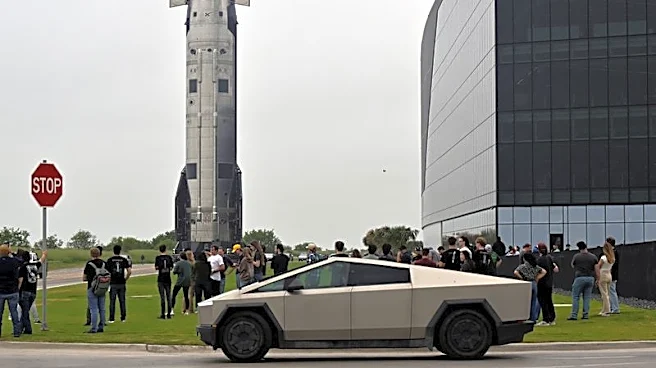
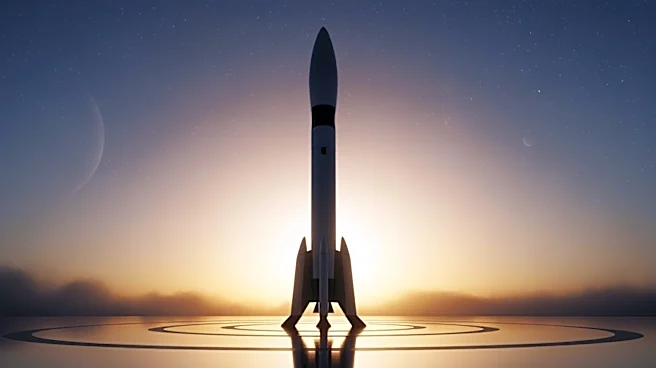
SpaceX has successfully launched its Starship Version 3 (V3), the most powerful rocket in history, from the Starbase facility in South Texas. This launch, which took place on May 22, 2026, marks the 12th suborbital test flight of the massive 408-foot-tall
vehicle. The mission carried both dummy and active Starlink satellites into space, showcasing next-generation aerospace engineering. Despite some challenges during the launch, including the shutdown of one of the Super Heavy's 33 first-stage Raptor engines and a controlled crash of the booster in the Gulf of Mexico, the upper stage reached space. This flight represents a significant step forward in SpaceX's efforts to prepare the Starship for operational missions, including potential lunar and Mars voyages.
Why It's Important?
The successful launch of Starship V3 is a critical milestone for SpaceX and the broader field of human space exploration. This development is particularly significant for NASA's Artemis program, which aims to establish a sustainable human presence on the Moon. The Starship is a central component of this program, with future missions planned to involve crew transport and lunar landings. The data collected from this flight will be invaluable for refining the design and performance of the Starship, paving the way for more ambitious missions, including those to Mars. The success of this launch also underscores SpaceX's role as a leader in the commercial space industry, potentially influencing future collaborations and investments in space exploration.
What's Next?
Following this successful test flight, SpaceX will focus on further refining the Starship's design and performance. Future missions will require in-space refueling, multiple dockings, and full orbital insertion demonstrations before astronauts can fly aboard the Starship. These steps are crucial for ensuring the vehicle's readiness for NASA's Artemis program and other interplanetary missions. Additionally, SpaceX will continue to address the challenges encountered during this flight, such as engine shutdowns and booster recovery, to enhance the reliability and safety of the Starship for future missions.