





What's Happening?
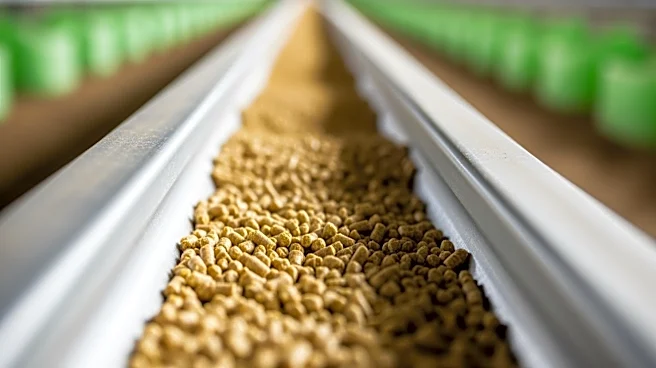
Precision nutrition is emerging as a transformative approach in animal agriculture, focusing on tailoring diets to the specific needs of animals based on factors like age, weight, and health status. This method integrates modern technologies such as sensors
and automated feeders to optimize nutrient intake and improve overall animal performance. Research indicates that precision feeding can significantly reduce crude protein intake and nitrogen excretion, enhancing both environmental sustainability and farm profitability. The approach also supports gastrointestinal health and immune resilience, contributing to better animal welfare and product quality.
Why It's Important?
The adoption of precision nutrition in animal farming is crucial for addressing current economic, agricultural, and environmental challenges. By improving feed efficiency and reducing waste, this approach not only boosts farm profitability but also minimizes the environmental impact of livestock production. As global demand for animal products continues to rise, precision nutrition offers a sustainable solution that aligns with market demands and regulatory pressures for environmentally friendly practices. This shift could lead to widespread changes in agricultural practices, influencing policy and industry standards.
What's Next?
Future research in precision nutrition is expected to focus on developing innovative tools and strategies that enhance efficiency and sustainability. This includes the integration of data-driven systems and predictive models to dynamically adjust diets based on real-time animal needs. Additionally, adapting these solutions to regional conditions will be essential, considering factors like climate and local agricultural practices. The continued evolution of precision nutrition could lead to significant advancements in animal health and productivity, setting new benchmarks for the industry.