





What's Happening?
The personal savings rate in the United States has fallen to 2.6% in April, marking the lowest level since June 2022. This decline is attributed to rising inflation, which has outpaced wage growth, making it difficult for Americans to save. According
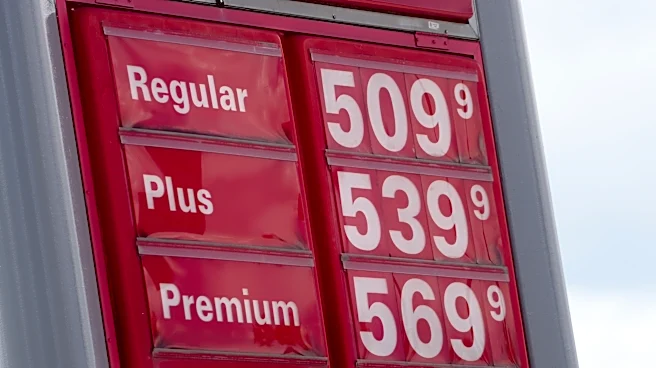
to the Bureau of Economic Analysis, the savings rate dropped from 3.2% in March and 5.8% a year earlier. Heather Long, chief economist at Navy Federal Credit Union, noted that the current savings rate is unusually low, comparable only to the 'revenge spend' era of 2022 when Americans were eager to spend post-pandemic. The inflation rate rose by 3.8% in April compared to the previous year, with average hourly earnings increasing by only 3.6%, according to the Bureau of Labor Statistics. Essential costs such as groceries, utilities, and gasoline have seen significant price hikes, further straining household budgets.
Why It's Important?
The drop in the personal savings rate is significant as it reflects the financial strain on American households due to rising living costs. With inflation outpacing wage growth, many Americans are finding it challenging to save, which could lead to increased reliance on credit and retirement savings to meet daily expenses. This situation poses a risk to economic stability, as reduced savings can limit consumer spending, a critical driver of the U.S. economy. Additionally, the lack of savings could leave households vulnerable to financial shocks, such as unexpected medical expenses or job losses. The current economic environment underscores the need for policies that address inflation and support wage growth to ensure financial security for American families.
What's Next?
As inflation continues to rise, Americans may need to adjust their spending habits and prioritize essential expenses. The government and policymakers might face pressure to implement measures that curb inflation and support wage growth. Potential actions could include revisiting tax policies, increasing minimum wages, or providing targeted financial assistance to those most affected by rising costs. Additionally, financial institutions may see an increase in demand for credit products as consumers seek ways to manage their expenses. Monitoring the economic indicators and consumer behavior in the coming months will be crucial to understanding the long-term impact of the current financial climate.