



What's Happening?
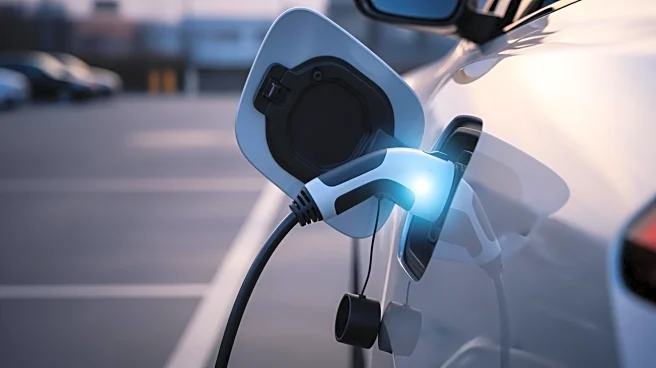
ChargePoint, a leading provider of electric vehicle (EV) charging solutions, has announced that it facilitated over 100 million EV charging sessions in the past year. This milestone reflects the growing adoption of electric vehicles and the increasing demand for charging infrastructure. According to ChargePoint, nearly 60% of the 19.3 billion electric miles enabled by the company over the last 18 years occurred in the most recent two years. This surge in EV usage suggests a shift in the primary benchmark for charger demand from new EV sales to the total number of EVs on the road. ChargePoint's CEO, Rick Wilmer, noted that those installing chargers in 2026 should expect accelerated returns on investment due to increased utilization pressure.
The company also estimates that since 2007, it has helped avoid the use of 714 million gallons of gasoline, saving drivers over $2 billion in gasoline costs and reducing greenhouse gas emissions by more than 4.5 million metric tons.
Why It's Important?
The significant number of EV charging sessions reported by ChargePoint underscores the rapid transition towards electric vehicles in the U.S. This shift is crucial for reducing reliance on fossil fuels and minimizing air pollution, which is linked to various health issues such as cancer, COPD, asthma, and stroke. The increased adoption of EVs contributes to cleaner air, as fully electric vehicles do not produce direct toxic emissions. ChargePoint's data highlights the economic benefits of EVs, including substantial savings on gasoline costs and a reduction in greenhouse gas emissions. As the demand for EVs continues to rise, the need for robust charging infrastructure becomes more critical, presenting opportunities for businesses and investors in the clean energy sector.
What's Next?
As EV adoption accelerates, ChargePoint and other charging infrastructure providers are likely to expand their networks to meet growing demand. This expansion could lead to increased investment in charging technology and infrastructure, further supporting the transition to electric transportation. Policymakers may also focus on incentivizing EV adoption and infrastructure development to achieve environmental goals. The continued growth in EV usage may prompt traditional automotive companies to increase their electric vehicle offerings, further driving the shift away from fossil fuel-powered vehicles.
Beyond the Headlines
The transition to electric vehicles represents a broader cultural and technological shift towards sustainable transportation. This change may influence urban planning, as cities adapt to accommodate increased EV usage with more charging stations and reduced reliance on gas stations. Additionally, the shift could impact the automotive industry, prompting innovation in battery technology and vehicle design. As public awareness of the environmental and economic benefits of EVs grows, consumer preferences may increasingly favor electric over traditional vehicles, potentially reshaping the automotive market.