



What's Happening?
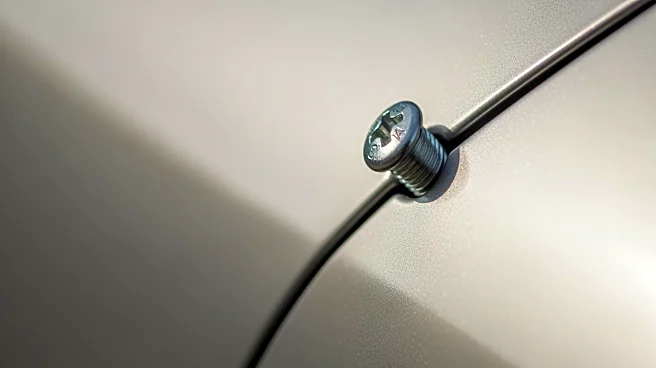
Mercedes has announced a new initiative called 'Tomorrow XX' aimed at enhancing the sustainability of its vehicles. The company plans to replace glued-together components, such as headlights, with screw-assembled parts. This change will allow individual components to be repaired or replaced, reducing waste and promoting environmental sustainability. The initiative is part of a broader effort to make cars more repairable and less reliant on new materials, which are becoming increasingly expensive and scarce. By focusing on repairability, Mercedes aims to reduce the environmental impact of its vehicles and support the right-to-repair movement.
Why It's Important?
This move by Mercedes is significant as it addresses both environmental and economic challenges. By making
car components more repairable, the company reduces the need for new materials, which are subject to high prices and supply chain issues. This approach not only supports environmental sustainability by reducing waste but also aligns with the growing right-to-repair movement, which advocates for consumers' ability to fix their own products. Additionally, this strategy could lead to cost savings for both the company and consumers, as less expensive components can be replaced without affecting the more costly internal parts.
What's Next?
Mercedes' initiative may prompt other automakers to adopt similar practices, potentially leading to industry-wide changes in manufacturing and repairability standards. As the right-to-repair movement gains momentum, regulatory bodies might also consider implementing policies that encourage or mandate such practices. The success of this initiative could influence consumer preferences, with more buyers opting for vehicles that offer greater repairability and sustainability. This shift could drive further innovation in automotive design and materials, as companies seek to balance environmental concerns with economic viability.