

What's Happening?
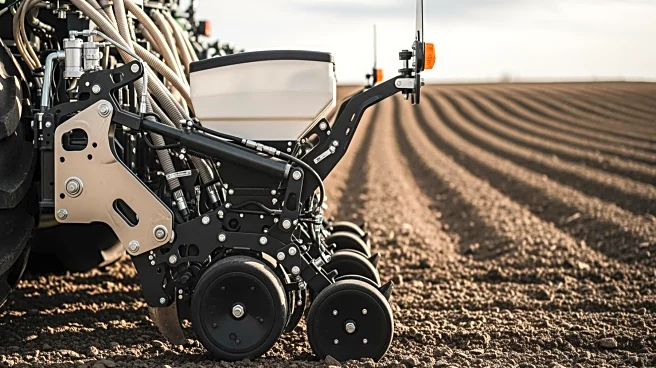
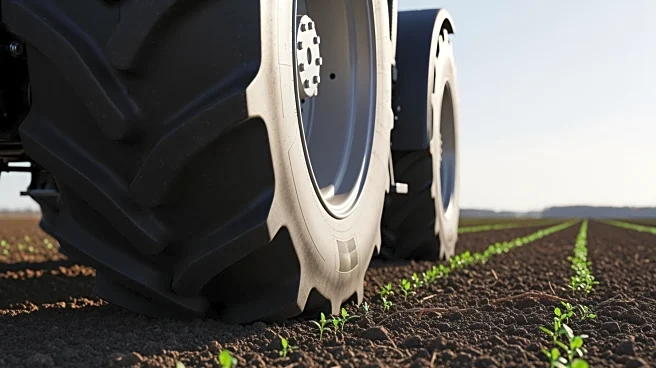
The agricultural equipment market is anticipated to grow significantly, reaching a valuation of $689.96 billion by 2035, according to a report by Astute Analytica. This growth is driven by technological innovations such as See & Spray Technology, which reduces herbicide use by up to 80%, and the increasing adoption of autonomous and precision farming equipment. The market is experiencing a shift from traditional high-horsepower machinery to smarter, more efficient solutions. The 71-130 HP segment remains stable, serving as a primary workhorse for livestock and dairy operations. Additionally, the market is seeing a rise in retrofit solutions that allow farmers to upgrade existing machinery with new technologies, rather than purchasing new equipment.
Why It's Important?
The projected growth of the agricultural equipment market highlights a significant shift towards more sustainable and efficient farming practices. This transition is crucial for addressing labor shortages and meeting global food security demands. The adoption of precision agriculture technologies democratizes access to advanced farming techniques, enabling small to mid-sized farms to compete with larger operations. The market's evolution also reflects broader economic trends, such as the impact of tariffs and trade policies on manufacturing costs and supply chains. As the industry moves towards a circular economy model, the focus on sustainability and resource efficiency is expected to drive further innovation and investment.
What's Next?
The agricultural equipment market is likely to continue evolving with advancements in autonomous technology and precision farming. Manufacturers may increasingly adopt Equipment-as-a-Service (EaaS) models, offering farmers flexible leasing options based on usage rather than ownership. This approach could reduce financial burdens on farmers and promote sustainable practices. Additionally, geopolitical factors and trade policies will continue to influence market dynamics, potentially leading to more localized manufacturing strategies. As the market adapts to these changes, stakeholders will need to navigate complex regulatory environments and shifting consumer demands.
Beyond the Headlines
The shift towards smarter agricultural equipment has broader implications for global food security and environmental sustainability. By reducing reliance on chemical inputs and optimizing resource use, these technologies can help mitigate the environmental impact of farming. The integration of AI and IoT in agriculture also raises questions about data privacy and the digital divide between large and small-scale farmers. As the industry embraces digital transformation, ensuring equitable access to technology and addressing ethical concerns will be critical for fostering inclusive growth.