






What's Happening?
Deep Sea Minerals Corp. (SEAS), a Canadian-listed company, is making a strategic entry into the deep-sea mining sector, traditionally dominated by The Metals Company (TMC). SEAS has applied to the U.S. National Oceanic and Atmospheric Administration for
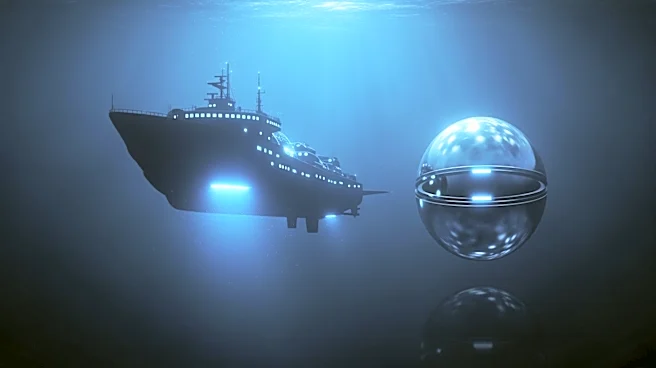
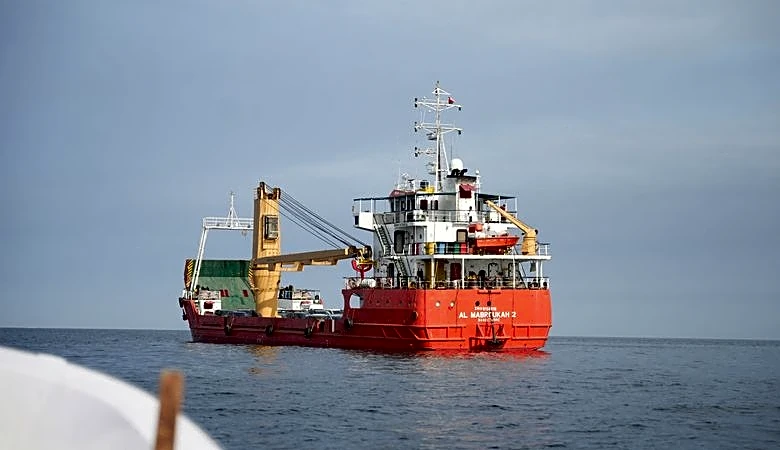
exploration licenses under the Deep Seabed Hard Mineral Resources Act. The company plans to begin operations in the Clarion-Clipperton Zone and the Cook Islands' exclusive economic zone by late 2026 or early 2027. Unlike TMC, SEAS is adopting an asset-light model, opting to contract vessels and equipment from third-party providers rather than owning them.
Why It's Important?
SEAS's entry into deep-sea mining with an asset-light approach represents a significant shift in the industry, which is known for its high capital requirements. This strategy could lower entry barriers for other companies and increase competition in the sector. The move aligns with U.S. policy shifts that emphasize reducing reliance on imported critical minerals, which are essential for technologies like batteries and electronics. By securing exploration rights in strategic locations, SEAS positions itself to benefit from the growing demand for minerals needed for the energy transition, potentially impacting global supply chains.
What's Next?
SEAS's future in deep-sea mining hinges on the approval of its exploration licenses and its ability to navigate regulatory environments. The company's success could encourage other firms to adopt similar asset-light models, potentially reshaping the industry's landscape. As SEAS assembles its technical team and finalizes technology selections, its progress will be closely watched by investors and industry stakeholders. The outcome of SEAS's strategy could influence future regulatory frameworks and investment trends in the deep-sea mining sector.