



What's Happening?
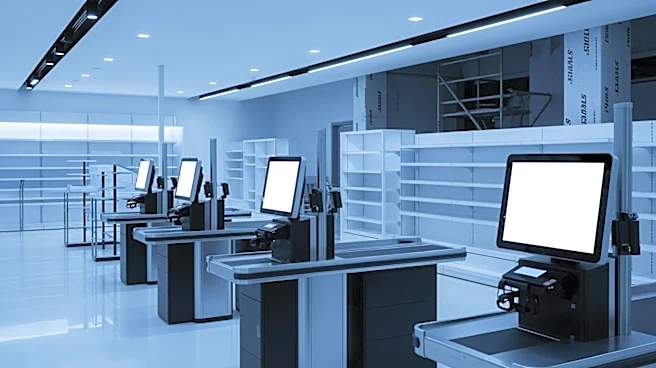
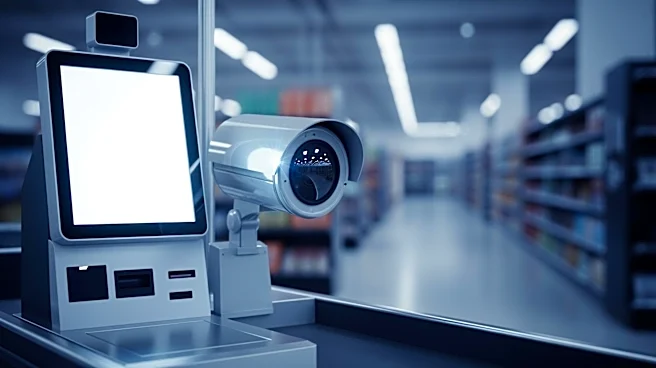
Major retailers such as Walmart, Target, and Costco are scaling back their use of self-checkout systems in response to increasing concerns over theft and regulatory pressures. Walmart has begun removing self-checkout machines from its stores, citing customer
service improvements and efficiency as primary reasons. However, experts suggest that the real motivation is the vulnerability of these kiosks to theft. A survey by Lending Tree revealed that 69% of self-checkout users believe these systems make it easier to steal, with a significant number admitting to theft, either intentionally or accidentally. In response, some states and cities, including New York City, are considering legislation to limit the use of self-checkouts, requiring a balance between automated and employee-operated stations.
Why It's Important?
The reduction of self-checkout systems by major retailers highlights a significant shift in retail operations, driven by the need to address theft and improve customer service. This move could impact the retail industry by potentially increasing operational costs due to the need for more staff, while also affecting customer experience by potentially increasing wait times. The legislative push to regulate self-checkouts reflects broader societal concerns about automation and its impact on employment and security. Retailers must balance technological advancements with the need for human oversight to ensure both efficiency and security.
What's Next?
As retailers continue to adjust their checkout strategies, further legislative actions are expected. States like California, Connecticut, and New York are considering laws to regulate the number of self-checkouts and require a certain number of employees per kiosk. Retailers may also explore alternative technologies, such as AI-powered systems, to enhance security and efficiency. The ongoing debate over automation in retail will likely influence future business models and labor practices, as companies strive to meet both regulatory requirements and consumer expectations.