



What's Happening?
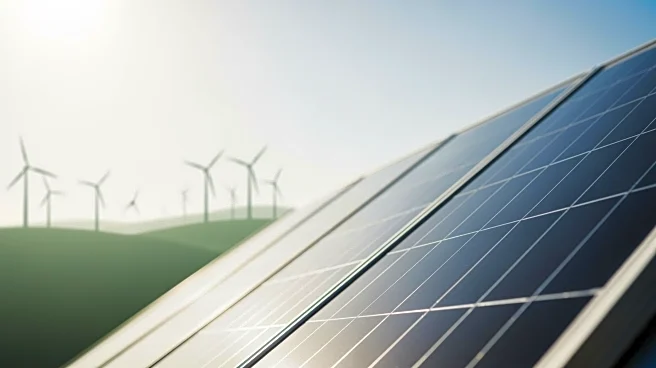
The Solar Energy Industries Association (SEIA) has reported significant state-level policy advancements in solar energy across the United States in 2025. Key developments include Illinois' Clean and Reliable Grid Affordability Act, which expands battery storage and introduces a virtual power plant program. California passed legislation to lower energy prices and align tax codes with federal incentives. Other states like Nevada, Colorado, Texas, and Maryland have also made strides in solar policy, focusing on storage, grid reliability, and consumer protection. These efforts reflect a growing bipartisan commitment to renewable energy solutions.
Why It's Important?
These policy advancements are crucial for meeting the increasing energy demands while promoting sustainability.
By expanding solar and storage capabilities, states can reduce electricity costs, create jobs, and enhance grid reliability. The bipartisan nature of these initiatives underscores the widespread recognition of solar energy's benefits, transcending political divides. As energy costs and environmental concerns rise, these policies position states to lead in renewable energy adoption, potentially influencing national energy strategies.
What's Next?
Looking ahead, SEIA plans to intensify its advocacy efforts to ensure continued progress in solar and storage policies. With upcoming state elections in 2026, energy affordability and sustainability are expected to be key issues. SEIA aims to work with state leaders to further integrate solar solutions, emphasizing the economic and environmental advantages. The ongoing legislative efforts will likely focus on expanding access to solar technology and ensuring regulatory frameworks support growth in the renewable sector.