





What's Happening?
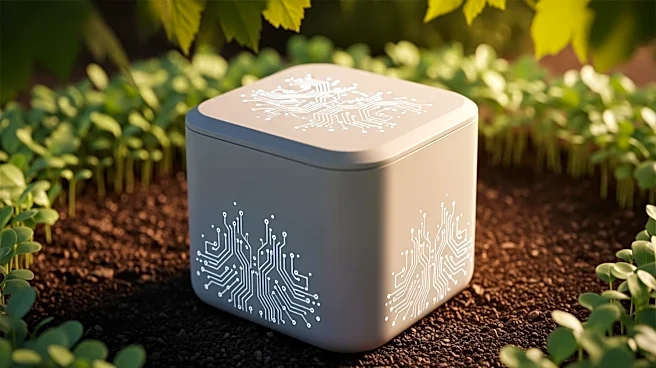
VCycene, a Canadian cleantech company, is celebrating its five-year anniversary by highlighting its advancements in smart home composting technology. Founded in 2021 by George Yin, the company has developed the LILA Composter, an AI-powered system that
transforms food scraps into nutrient-rich compost within days. This innovation aims to reduce landfill waste and promote environmentally conscious living. The LILA system uses smart sensors, automated heating cycles, and artificial intelligence to optimize the composting process, making it efficient and user-friendly. VCycene has expanded its product line to include compact solutions for smaller households and integrated systems for modern kitchens. The company has also engaged in research partnerships to enhance waste analysis and compost optimization, showcasing its commitment to scientific advancement in waste reduction.
Why It's Important?
VCycene's innovations in composting technology are significant as they address the growing environmental challenge of food waste. By providing households with an efficient and easy-to-use composting solution, the company is helping to shift consumer perceptions of food scraps from waste to a valuable resource. This shift can lead to a reduction in landfill contributions and promote sustainable living practices. The integration of AI in composting not only enhances the efficiency of the process but also represents a broader trend of using technology to solve environmental issues. As more households adopt such technologies, the cumulative impact on waste reduction and environmental sustainability could be substantial.
What's Next?
Looking ahead, VCycene plans to continue expanding the accessibility of its products while advancing its smart composting capabilities. The company aims to integrate more data-driven sustainability tools and user-centered designs to further enhance the user experience. As VCycene's visibility grows, particularly after showcasing its innovations at The Inspired Home Show in Chicago, it is likely to attract more interest from retailers, manufacturers, and sustainability advocates. This could lead to increased adoption of its products and further advancements in the cleantech sector.
Beyond the Headlines
VCycene's approach to composting reflects a broader cultural shift towards sustainability and environmental responsibility. By making composting more accessible and appealing to everyday consumers, the company is contributing to a change in how society views waste management. This could have long-term implications for environmental policies and consumer behavior, encouraging more individuals and businesses to adopt sustainable practices. Additionally, the use of AI in this context highlights the potential for technology to drive significant environmental change, setting a precedent for other industries to follow.