



What's Happening?
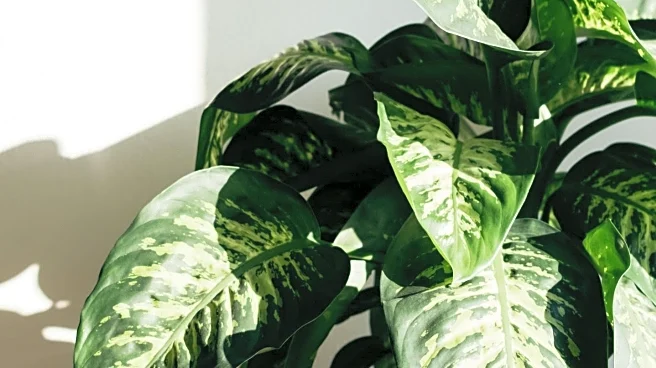
As winter approaches, many U.S. households face the challenge of maintaining indoor air quality while keeping energy costs low. With windows and doors often closed to retain heat, indoor air can become polluted. While air purifiers are an option, they require electricity, which may not be appealing given that 78% of U.S. adults are concerned about high energy bills, according to a CNET survey. An alternative solution is the use of houseplants, which can improve air quality and add aesthetic value to homes. Certain plants, such as English ivy and Gerbera daisy, are known for their ability to absorb pollutants like formaldehyde and benzene. These plants act as natural air filters, potentially reducing the need for electronic air purifiers.
Why It's Important?
The
use of houseplants as a means to purify indoor air is significant in the context of rising energy costs and environmental concerns. By opting for plants over electronic air purifiers, households can reduce their energy consumption, thereby lowering utility bills and minimizing their carbon footprint. This approach also aligns with a growing trend towards sustainable living and environmental consciousness. Additionally, the presence of plants can enhance mental well-being and create a more pleasant living environment. The potential for biotech innovations, such as those by Neoplants, to enhance the air-purifying capabilities of plants further underscores the importance of this natural solution.
What's Next?
As awareness of the benefits of houseplants grows, it is likely that more households will adopt this natural method of air purification. This trend could lead to increased demand for specific plant species known for their air-cleaning properties. Additionally, advancements in biotechnology may result in the development of genetically modified plants with enhanced capabilities, offering even more effective solutions for indoor air quality. The horticulture industry may see growth as a result, with potential implications for related sectors such as home decor and wellness.
Beyond the Headlines
The use of houseplants for air purification also raises interesting questions about the intersection of technology and nature. While traditional methods rely on the natural abilities of plants, biotech innovations like those from Neoplants suggest a future where technology enhances these natural processes. This could lead to ethical discussions about genetic modification and the role of technology in everyday life. Furthermore, the trend towards using plants for air quality improvement reflects broader cultural shifts towards sustainability and environmental responsibility.