


What's Happening?
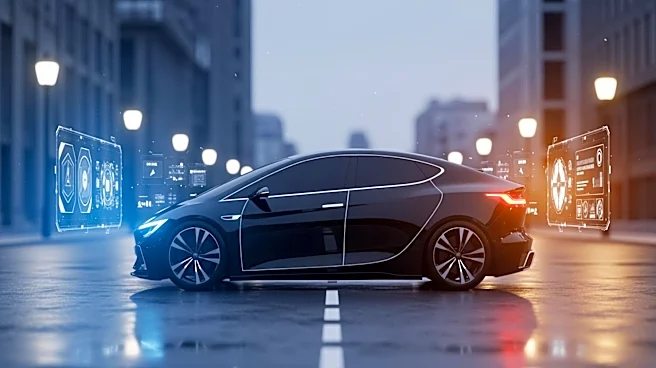
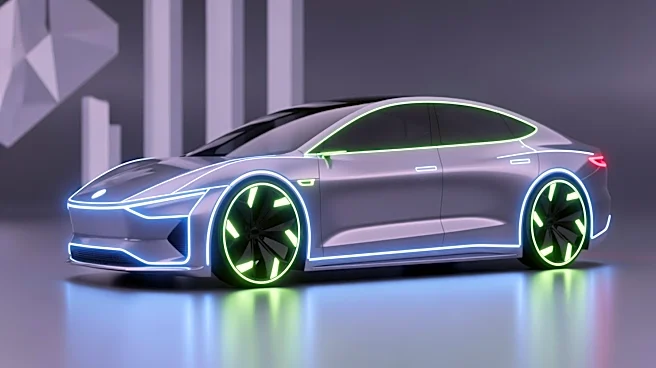
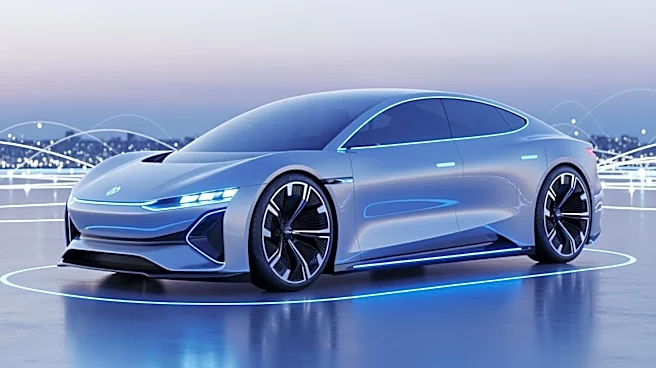
Uber has announced a significant partnership with electric vehicle manufacturer Rivian, valued at $1.25 billion. This collaboration will see Uber acquiring 50,000 Rivian R2 robotaxis. The deployment of these vehicles is planned in phases, with the first
10,000 expected to be operational in Miami and San Francisco by 2028. The remaining 40,000 robotaxis are scheduled to be rolled out across 25 major cities by 2031. This move is part of Uber's strategy to expand its fleet with electric and autonomous vehicles, aiming to enhance its ride-sharing services while reducing its carbon footprint.
Why It's Important?
This partnership marks a significant step in the evolution of urban transportation, highlighting the growing trend towards electric and autonomous vehicles. For Uber, this deal represents a major investment in sustainable technology, aligning with global efforts to reduce emissions and combat climate change. The introduction of robotaxis could potentially lower operational costs for Uber, as autonomous vehicles eliminate the need for human drivers. This could lead to more competitive pricing for consumers and increased accessibility to ride-sharing services. Additionally, Rivian's involvement underscores the increasing role of electric vehicle manufacturers in shaping the future of transportation.
What's Next?
As Uber and Rivian move forward with this partnership, the focus will likely be on the development and testing of the R2 robotaxis to ensure they meet safety and regulatory standards. Stakeholders, including city governments and regulatory bodies, will play a crucial role in facilitating the integration of these autonomous vehicles into urban environments. Public acceptance and trust in autonomous technology will also be pivotal in the successful deployment of these robotaxis. Furthermore, this partnership may prompt other ride-sharing companies to explore similar collaborations, potentially accelerating the adoption of electric and autonomous vehicles in the industry.