




What's Happening?
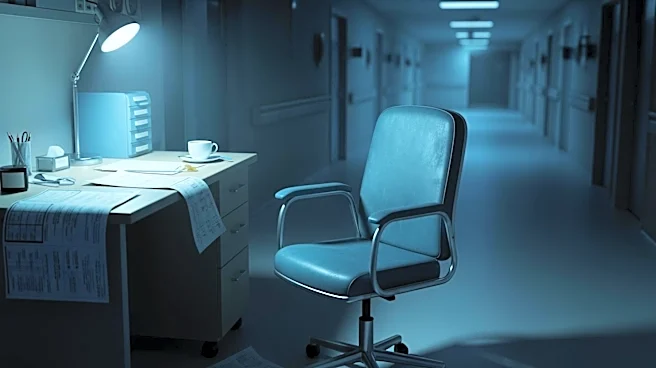
Sick Building Syndrome (SBS) is a term coined in the early 1980s by the World Health Organization to describe a range of symptoms experienced by individuals in certain indoor environments. These symptoms include headaches, fatigue, nausea, and brain fog,
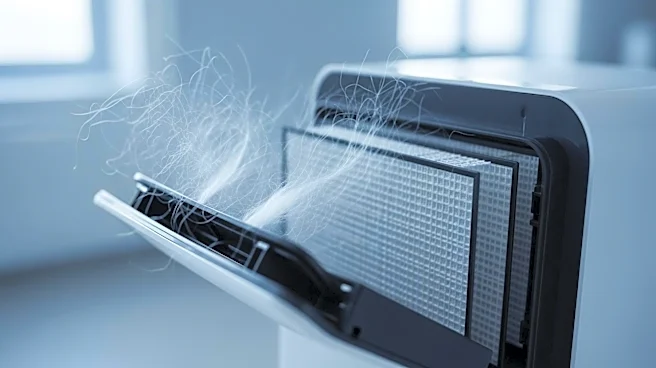
often dissipating once the individual leaves the building. Recent reports highlight that SBS disproportionately affects women, potentially due to factors such as autoimmune dysfunction and lower cold tolerance. Environmental hazards like poor air quality, mold, chemical contaminants, and inadequate ventilation are common contributors to SBS. Studies suggest that nearly 30% of new and renovated buildings suffer from SBS, with symptoms exacerbated by modern building designs that favor air conditioning over natural ventilation.
Why It's Important?
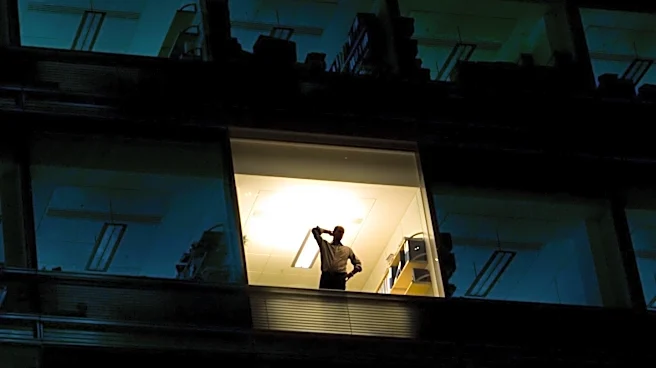
SBS poses a significant challenge for employers seeking to bring employees back to office environments post-pandemic. The condition not only affects individual health but also impacts productivity and workplace satisfaction. Addressing SBS requires a focus on improving indoor environmental quality, including better air circulation, lighting, and temperature control. Employers and building designers are urged to consider these factors to enhance employee well-being and reduce SBS prevalence. As awareness of SBS grows, it may lead to changes in building codes and workplace policies, prioritizing health and comfort in office design.