
What's Happening?
Amid escalating conflict in the Middle East, major technology companies such as Amazon, Google, and Nvidia have implemented emergency protocols to ensure the safety of their employees in the region. Nvidia has temporarily closed its Dubai offices, while
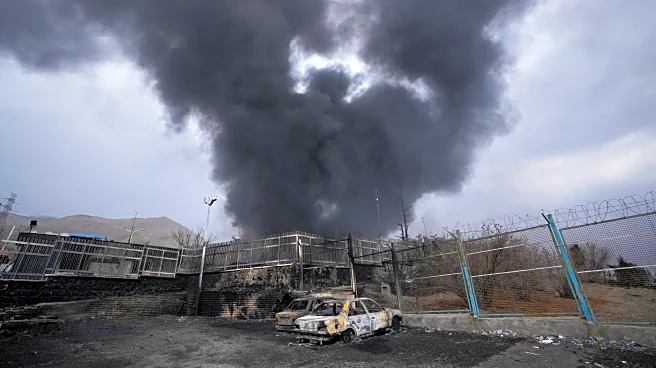
Amazon has instructed its corporate employees to work remotely and adhere to local government guidelines. Snap has advised its staff in the Middle East to either shelter in place or leave the area. The situation has left dozens of Google employees stranded in Dubai following a sales conference, as commercial flights have been grounded across the Gulf. Additionally, Amazon Web Services reported that drone strikes hit three of its facilities in the UAE and Bahrain, resulting in fires and power outages. These developments have raised significant concerns about the adequacy of corporate duty of care responses during such rapid conflicts.
Why It's Important?
The current situation underscores the critical importance of robust duty of care protocols for multinational corporations operating in volatile regions. The ability of companies to protect their employees and maintain operations during crises is crucial for business continuity and employee safety. The conflict has highlighted gaps in existing protocols, as many travel managers lack full visibility of employee locations, and a significant number of business travelers are willing to refuse trips due to safety concerns. This situation could lead to increased scrutiny of corporate policies and practices regarding employee safety and crisis management, potentially prompting companies to enhance their duty of care strategies.
What's Next?
As the conflict continues, companies are likely to reassess and strengthen their emergency response plans and duty of care obligations. This may involve implementing more comprehensive tracking systems for employees, improving communication channels, and ensuring that employees have access to reliable information during crises. Companies may also need to collaborate more closely with local governments and embassies to ensure the safety of their personnel. The ongoing situation could lead to broader discussions within the corporate world about the responsibilities of employers in safeguarding their employees in high-risk areas.
Beyond the Headlines
The crisis in the Middle East also raises ethical questions about the responsibilities of multinational corporations in conflict zones. Companies must balance their business interests with the safety and well-being of their employees, which can be challenging in unpredictable environments. The situation may prompt a reevaluation of corporate strategies in volatile regions, including considerations of whether to continue operations or withdraw from certain areas. Additionally, the reliance on social media for information during crises highlights the need for companies to guide employees towards more reliable sources to prevent misinformation and ensure informed decision-making.