






What's Happening?
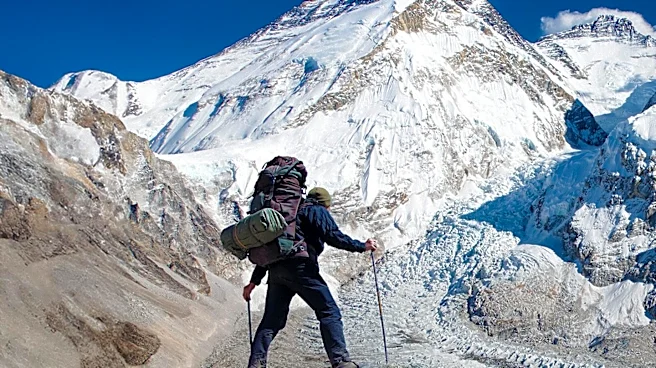
Jon Krakauer, reflecting on his 1996 Mount Everest expedition, expressed regret over his participation, citing survivor's guilt and the impact of his presence on the tragic events that unfolded. Krakauer's account of the climb, which resulted in multiple
fatalities, was detailed in his book 'Into Thin Air.' He believes his presence influenced decisions made by expedition leaders, contributing to the disaster. Krakauer's reflections highlight the ethical and logistical challenges of commercial climbing on Everest, where inexperienced climbers often rely on guides, leading to dangerous situations.
Why It's Important?
Krakauer's reflections bring attention to the ongoing ethical and safety concerns in commercial mountaineering. His account underscores the risks associated with overcrowding and inexperienced climbers on Everest, which can lead to life-threatening situations. The commercialization of Everest expeditions has increased accessibility but also heightened the potential for accidents. Krakauer's insights may influence future policies and practices in the mountaineering industry, emphasizing the need for stricter regulations and better preparation for climbers.
Beyond the Headlines
The ethical dilemmas faced by climbers on Everest, such as the decision to assist others in distress, highlight broader questions about responsibility and survival in extreme environments. Krakauer's experience raises awareness about the psychological impact of surviving such events, including survivor's guilt and the long-term effects on mental health. The story also reflects on the cultural fascination with conquering Everest, which continues to drive climbers despite the inherent dangers.