






What's Happening?
Felipe Chavez, CEO of Robot.com, is promoting the use of robotics to automate repetitive and mundane tasks that often lead to high employee turnover. Chavez envisions a future where robots handle the physical labor that people find exhausting, allowing
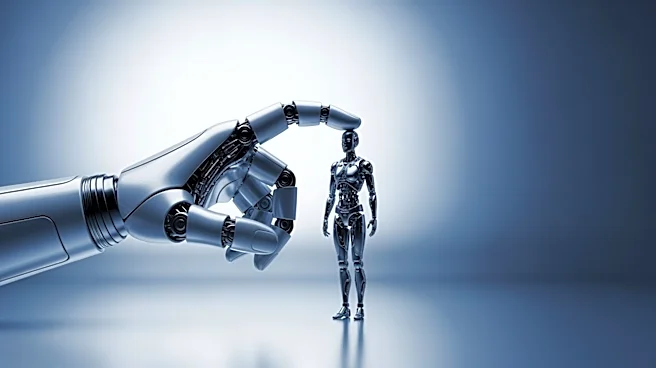
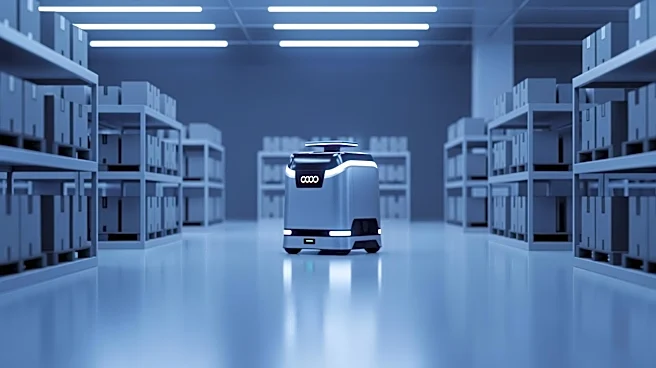
humans to focus on more meaningful pursuits. Robot.com, which evolved from Chavez's earlier startup Kiwibot, currently operates over 500 robots, primarily in delivery services, but is expanding into other sectors like warehouses and food service. The company aims to create a diverse ecosystem of robots, each designed for specific tasks, rather than a single humanoid robot capable of performing all functions. This approach is intended to improve workforce satisfaction and reduce turnover by allowing employees to concentrate on customer-centric tasks.
Why It's Important?
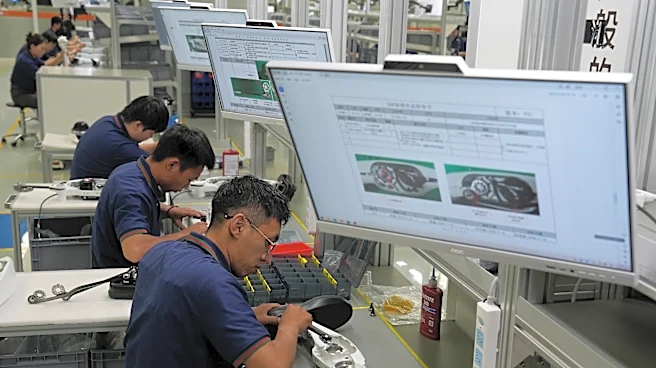
The push for automation in labor-intensive industries could significantly impact the U.S. workforce, particularly in sectors with high turnover rates such as food service and logistics. By automating repetitive tasks, companies like Robot.com aim to enhance job satisfaction and reduce the need for constant hiring and training. This shift could lead to a more stable workforce and potentially lower operational costs for businesses. However, it also raises concerns about job displacement and the need for workers to adapt to new roles that require different skills. The broader adoption of robotics in everyday tasks could reshape the labor market, emphasizing the importance of upskilling and workforce development.
What's Next?
As Robot.com continues to expand its robotic solutions, the company plans to focus on developing robots that can handle more complex tasks, such as item manipulation. This development could lead to further integration of robotics in various industries, potentially influencing how businesses operate and manage their workforce. Stakeholders, including business leaders and policymakers, may need to address the implications of increased automation, such as potential job displacement and the need for retraining programs. The company's approach to using robots for specific tasks rather than general-purpose humanoids may set a precedent for other companies in the robotics industry.