







What's Happening?
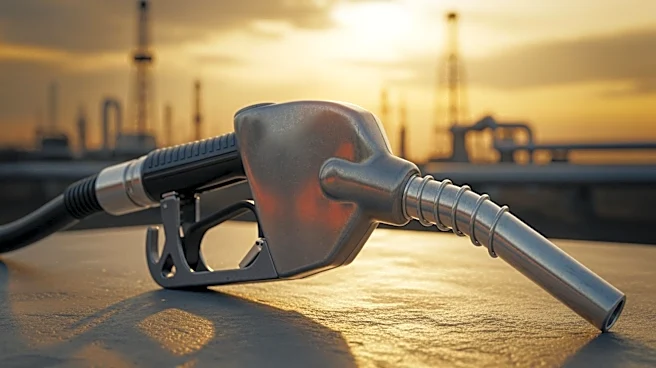
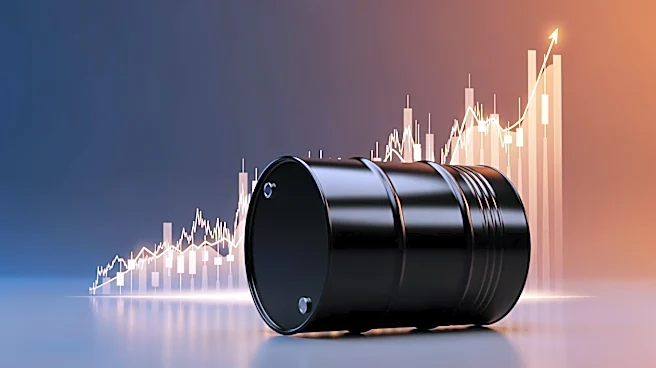
Gas prices have been rising sharply, reaching as high as five dollars per gallon in some areas, driven by geopolitical tensions and disruptions in energy markets. This increase follows two significant spikes in the 2020s, both linked to acts of war. Despite
the volatility, inflation-adjusted gas prices remain comparable to those in 1990. The psychological impact of round-number pricing, such as $4 or $5 per gallon, is significant, affecting consumer sentiment more than slightly higher or lower prices. The visibility of gas prices, prominently displayed on roadside signs, contributes to their strong influence on public perception.
Why It's Important?
The rising gas prices have broad implications for the U.S. economy and consumer behavior. Higher fuel costs can lead to increased transportation and goods prices, potentially contributing to inflationary pressures. Consumers may adjust their spending habits, prioritizing essential expenses over discretionary purchases. This shift could impact various sectors, including retail and travel. Additionally, the stock market's response to rising oil prices remains uncertain, as other factors like corporate earnings and technological advancements currently hold more sway. However, prolonged high prices could eventually affect market dynamics and economic growth.
What's Next?
If geopolitical tensions persist, further disruptions in energy markets could lead to even higher gas prices. Policymakers and industry leaders may need to explore strategies to stabilize the market and mitigate consumer impact. Potential measures could include increasing domestic energy production or seeking alternative energy sources. Consumers might continue to adapt by reducing non-essential travel or investing in fuel-efficient vehicles. The situation requires close monitoring, as prolonged high prices could prompt broader economic adjustments and policy responses.