
What's Happening?
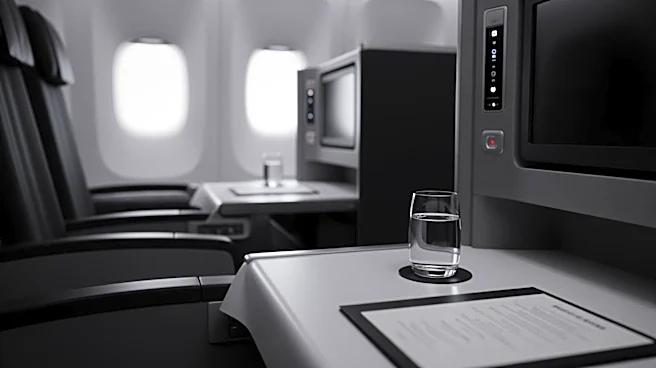
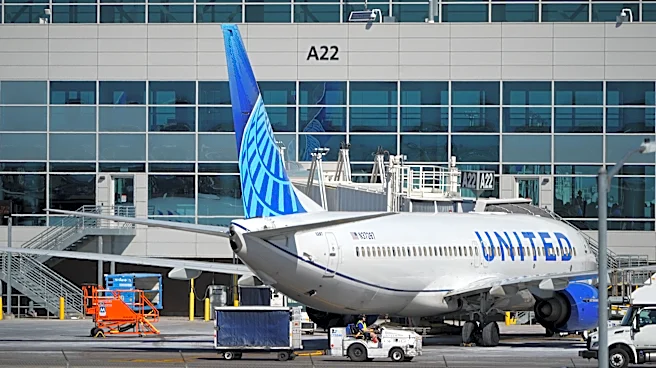
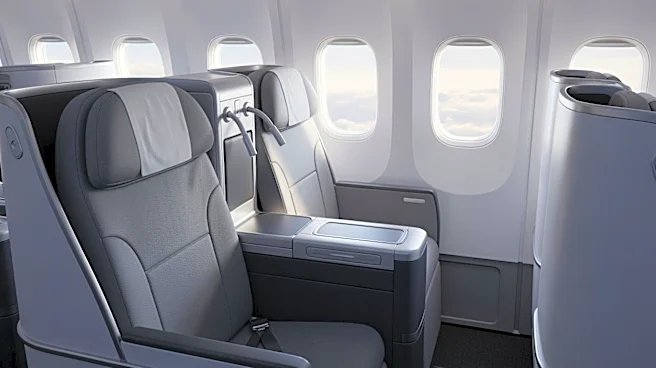
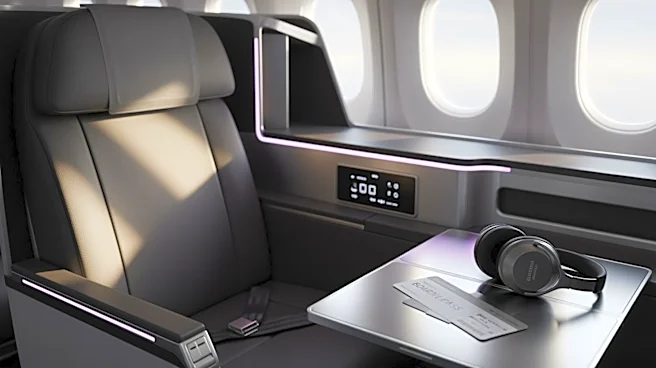
United Airlines is launching a new fare tier called 'Base' Polaris as part of a broader overhaul of its premium cabin offerings. This new fare will allow passengers to access the airline's long-haul business class cabins, which feature lie-flat seats,
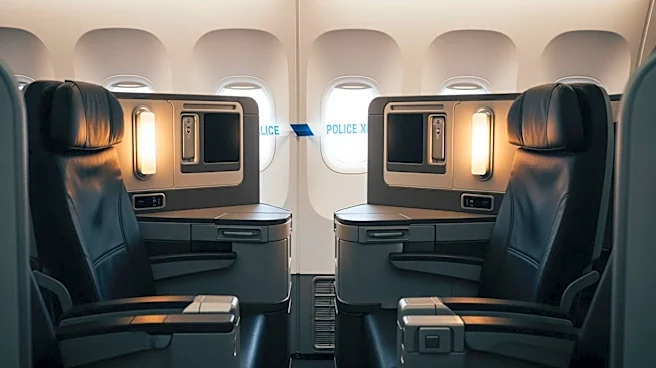
but with certain restrictions. Passengers opting for the Base Polaris fare will have to pay extra for advanced seat selection and will be limited to one checked bag. While they will have access to the United Club airport lounge, they will not be able to use the more exclusive Polaris lounge. The introduction of this fare is part of United's strategy to segment its premium offerings, similar to how economy class has been divided into various tiers over the years. The airline is also updating its Polaris class with new suites that include sliding doors and larger screens, reflecting a trend among airlines to enhance premium seating options.
Why It's Important?
The introduction of the Base Polaris fare by United Airlines highlights a significant shift in the airline industry towards offering more segmented and customizable travel experiences. This move is likely to intensify competition among airlines as they seek to attract high-spending travelers by offering a range of premium options. For consumers, this means more choices and potentially more affordable access to premium services, albeit with some trade-offs in terms of amenities. The strategy also reflects broader trends in consumer behavior, where there is a growing willingness to pay for enhanced travel experiences. This could lead to increased revenue for airlines as they capitalize on the demand for premium travel, potentially impacting the overall pricing structure of air travel.
What's Next?
As United Airlines rolls out its new Base Polaris fare, other airlines may follow suit by introducing similar segmented premium offerings. This could lead to a broader industry trend of diversifying premium cabin options to cater to different consumer preferences. Airlines might also invest in further enhancing their premium services to differentiate themselves in a competitive market. Additionally, the response from consumers will be crucial in determining the success of these new fare structures. If successful, it could encourage airlines to continue innovating in their service offerings, potentially leading to further changes in how air travel is marketed and sold.