

What's Happening?
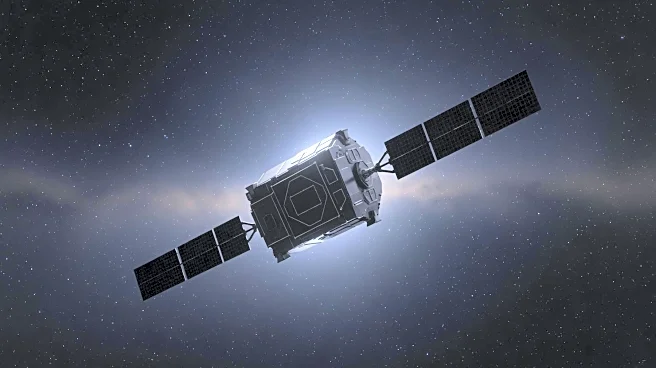
SpaceX has announced the loss of contact with one of its Starlink satellites, designated as satellite 34343, following an unspecified anomaly on March 29. The satellite was orbiting at approximately 348 miles above Earth when the incident occurred. SpaceX's
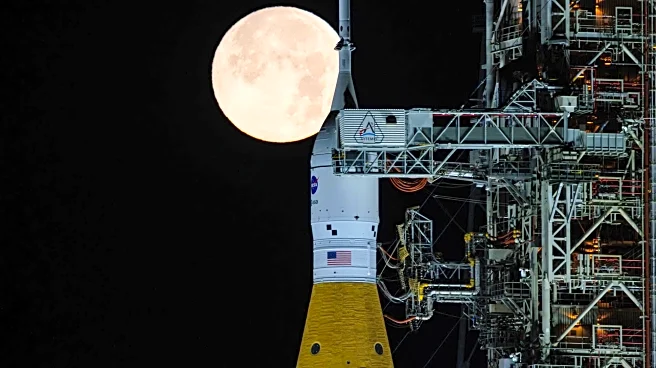
analysis indicates that the satellite's remains do not pose a threat to the International Space Station or the upcoming Artemis II mission. Additionally, the incident will not impact the company's Transporter-16 mission, which launched on March 30. LeoLabs, a company that tracks satellites in Low Earth Orbit, detected a 'fragment creation event' involving the satellite, suggesting it is no longer intact. This event is similar to another incident that occurred in December 2025. SpaceX has experienced satellite losses due to geomagnetic storms in the past, but these recent incidents appear to be caused by internal factors rather than external collisions.
Why It's Important?
The loss of a Starlink satellite highlights the challenges and risks associated with maintaining a large constellation of satellites in orbit. While SpaceX has assured that the debris poses no immediate threat to other missions or the ISS, the incident underscores the importance of monitoring and managing space debris. The ability to quickly identify and address anomalies is crucial for the safety and sustainability of space operations. This event also raises questions about the reliability and resilience of the Starlink network, which aims to provide global internet coverage. As SpaceX continues to expand its satellite constellation, ensuring the integrity and safety of its operations will be vital to maintaining trust with clients and regulatory bodies.
What's Next?
SpaceX is currently investigating the root cause of the anomaly and plans to implement corrective actions once the cause is determined. The company will continue to monitor any trackable debris from the incident. The findings from this investigation could lead to improvements in satellite design and operational protocols to prevent similar occurrences in the future. Stakeholders, including regulatory agencies and clients, will be keenly observing how SpaceX addresses this issue and what measures are put in place to mitigate future risks.