







What's Happening?
In the mining industry, the design of transfer points is becoming increasingly strategic for optimizing plant performance. Dewald Tintinger, Technical Director at Weba Chute Systems, highlights that poorly engineered chute systems can significantly impact
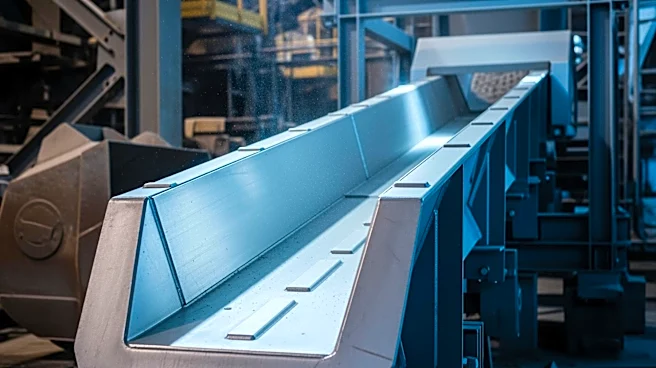
plant operations, affecting material flow consistency, belt loading, and equipment wear. Transfer points, which manage the flow of materials between conveyors, screens, crushers, and stockpile systems, are now recognized as critical control points. Effective chute design requires a detailed understanding of material characteristics and operational environments, ensuring that material is loaded centrally and consistently onto receiving conveyors. This approach reduces wear and improves conveyor reliability, while also addressing environmental and safety objectives by controlling dust and spillage at the source.
Why It's Important?
The strategic focus on engineered transfer points is crucial for mining operations aiming to enhance efficiency and reduce costs. By optimizing material flow and minimizing equipment wear, mining companies can achieve higher plant uptime and lower maintenance expenses. This shift from a maintenance concern to a strategic priority reflects the industry's need to meet increasing demands for throughput and environmental compliance. Effective transfer point design not only improves operational efficiency but also contributes to safer working conditions and reduced environmental risks, aligning with broader industry goals of sustainability and safety.
What's Next?
As mining operations continue to prioritize efficiency and environmental compliance, the role of engineered transfer points is expected to grow. Companies may invest more in advanced chute design technologies and training to ensure optimal material handling. This could lead to further innovations in materials handling systems, potentially influencing industry standards and practices. Stakeholders, including equipment manufacturers and environmental regulators, may also play a role in shaping the future of transfer point design, emphasizing the importance of collaboration across the sector.
Beyond the Headlines
The focus on engineered transfer points highlights a broader trend in the mining industry towards integrating engineering solutions with environmental and safety objectives. This approach reflects a shift in how companies view infrastructure, not just as static components but as dynamic systems that can drive operational improvements. The emphasis on reducing dust and spillage also underscores the industry's commitment to addressing environmental concerns proactively, rather than reactively managing issues downstream. This could lead to long-term shifts in how mining operations are designed and managed, with potential implications for regulatory frameworks and industry best practices.