




What's Happening?
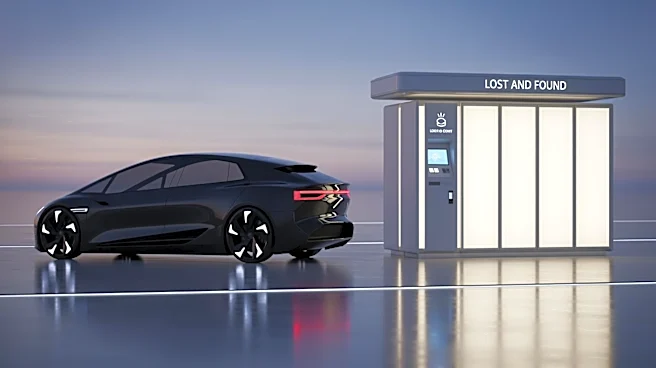
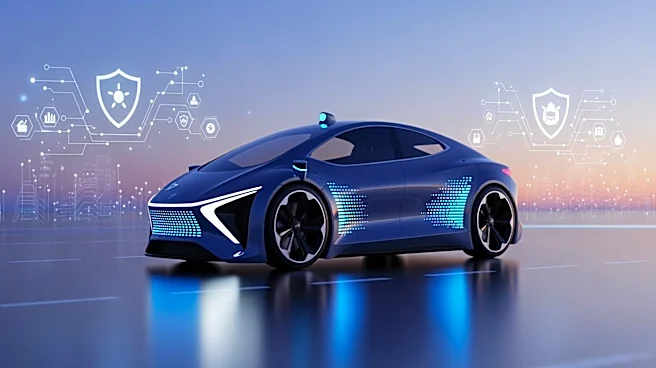
Uber is expanding its Lost and Found services to include items left in robotaxis, as the company increases its autonomous vehicle presence. With robotaxis accounting for less than 1% of Uber's trips, the inclusion in the Lost and Found Index marks a significant
step in Uber's autonomous vehicle strategy. Commonly forgotten items include phones, wallets, and keys, while unusual items like a jumbo yo-yo and a large black marble duck have also been reported. Uber's autonomous support team facilitates the return of lost items, charging a flat fee for courier services or allowing pickup from vehicle depots.
Why It's Important?
The expansion of Uber's Lost and Found services to robotaxis reflects the growing role of autonomous vehicles in the transportation industry. As Uber aims to become the largest robotaxi broker by 2029, efficient management of lost items is crucial for customer satisfaction and operational success. This development highlights the challenges and opportunities associated with integrating autonomous vehicles into existing service models. It also underscores the importance of customer support systems in maintaining trust and reliability in emerging technologies.
What's Next?
Uber plans to facilitate autonomous vehicle trips in up to 15 cities globally by the end of the year, with an even split between U.S. and international markets. As the number of robotaxis increases, Uber's Lost and Found services will likely expand further, requiring enhancements in logistics and customer support. The company may also explore partnerships with other autonomous vehicle providers to streamline operations and improve service delivery. Stakeholders, including customers and technology partners, will be watching these developments closely as Uber continues to innovate in the autonomous vehicle space.