
What's Happening?
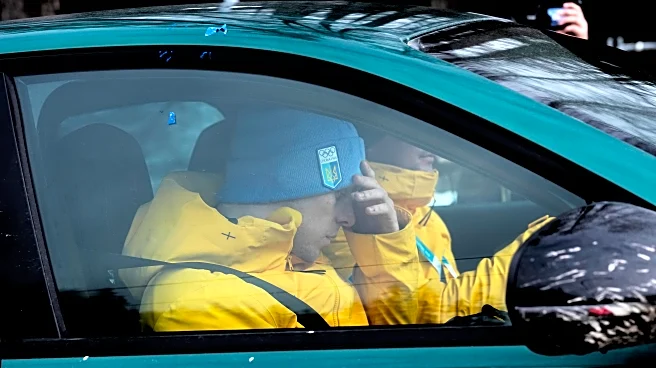
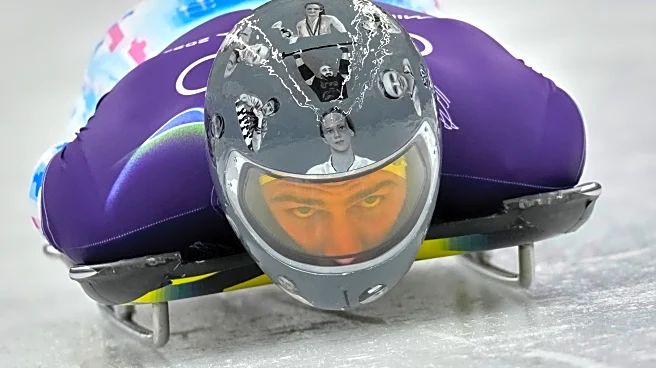
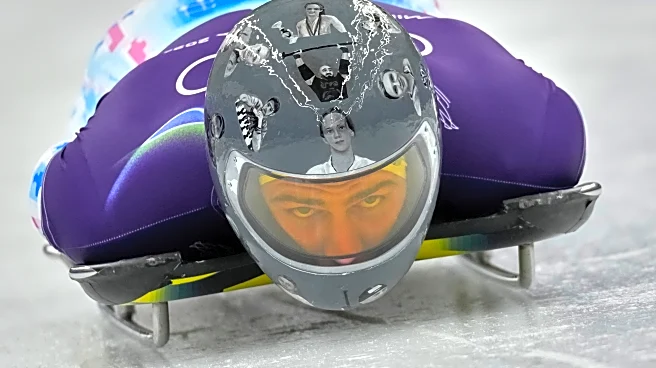
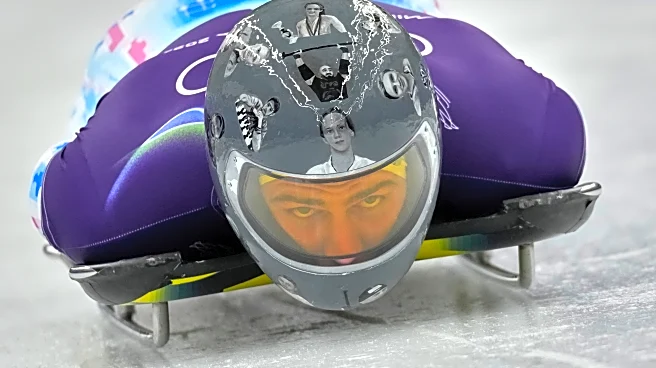
The International Olympic Committee (IOC) has banned Ukrainian skeleton racer Vladyslav Heraskevych from competing at the Winter Olympics for wearing a helmet that features images of athletes killed during Russia's invasion of Ukraine. The IOC stated that the helmet violated its rules on political expression. Despite discussions with IOC President Kirsty Coventry, Heraskevych refused to compromise, leading to his disqualification. The IOC emphasized that the decision was based on adherence to athlete guidelines rather than political propaganda. Heraskevych expressed his disappointment, stating that the ban is the 'price of our dignity.'
Why It's Important?
The ban on Heraskevych highlights the ongoing debate over political expression in sports. The IOC's decision
reflects its efforts to maintain neutrality and prevent political statements during competitions. However, the incident raises questions about the balance between freedom of expression and adherence to sports regulations. The case has drawn criticism from Ukrainian officials, who argue that the IOC's actions fail to address the broader issue of Russia's aggression. The situation underscores the challenges faced by athletes who wish to use their platform to raise awareness about global issues.
What's Next?
Heraskevych's decision to appeal to the Court of Arbitration for Sport could have significant implications for future cases involving political expression in sports. The outcome may influence how the IOC and other sports organizations handle similar situations, potentially leading to changes in regulations. The incident may also prompt broader discussions within the international sports community about the role of sports in political discourse. The Ukrainian Olympic Committee's response and potential protests could further impact the IOC's approach to political issues in sports.