

What's Happening?
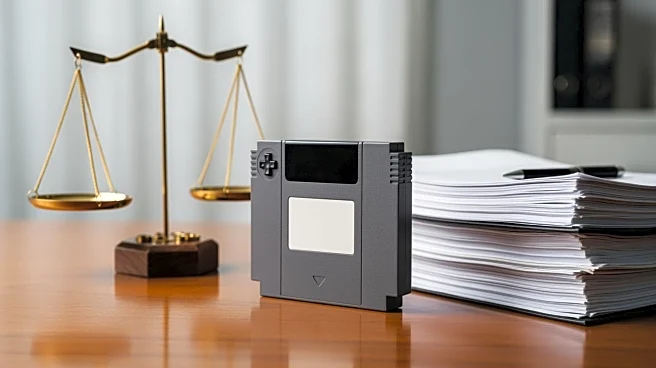
Nintendo of America has filed a lawsuit against the U.S. government, challenging tariffs imposed by the Trump administration that were later deemed unconstitutional by the U.S. Supreme Court. These tariffs, which affected imports from nearly all countries,
led to significant financial impacts on Nintendo, including the delay of the Nintendo Switch 2 pre-orders in the U.S. and increased costs for accessories. The lawsuit, lodged in the U.S. Court of International Trade, seeks refunds for the tariffs paid, which are estimated to exceed $200 billion globally. Nintendo argues that these tariffs, administered under the International Emergency Economic Powers Act (IEEPA), caused injury to the company as the importer of record for the affected goods.
Why It's Important?
The lawsuit highlights the significant financial and operational challenges faced by international companies due to U.S. trade policies. The tariffs not only affected Nintendo's pricing and market strategy but also had broader implications for the gaming industry, potentially influencing stock prices and consumer costs. The outcome of this legal action could set a precedent for other companies similarly affected by these tariffs, potentially leading to widespread claims for refunds and adjustments in trade policy. The case underscores the complex interplay between government policy and international business operations, particularly in the tech and entertainment sectors.
What's Next?
The court's decision on this case could have far-reaching implications for U.S. trade policy and international business practices. If Nintendo succeeds, it may encourage other companies to pursue similar legal actions, potentially leading to significant financial liabilities for the U.S. government. Additionally, the case may prompt a reevaluation of current trade policies and their impact on international commerce. Stakeholders, including other affected companies and trade organizations, will likely monitor the proceedings closely, as the outcome could influence future trade negotiations and economic strategies.