







What's Happening?
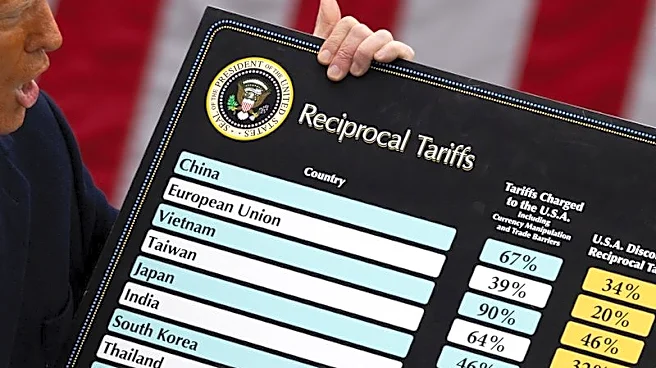
U.S. Customs and Border Protection (CBP) has launched a new refund tool for importers to claim reimbursements for tariffs paid under the International Emergency Economic Powers Act (IEEPA). These tariffs, which included country-specific reciprocal tariffs and fentanyl-related
charges on China, were invalidated by the Supreme Court in February. Logistics companies such as UPS, FedEx, and DHL are preparing to reimburse customers who paid these tariffs. The CAPE portal, which facilitates these claims, will initially cover unliquidated IEEPA entries and those liquidated within the last 80 days. On its first day, over 55,000 claims were submitted for more than 4 million imports. FedEx, which had sued the federal government to recoup these funds, has committed to refunding customers once it receives the funds from the government. UPS and DHL have also stated they will issue refunds through established processes.
Why It's Important?
The launch of the CBP refund portal and the subsequent reimbursement by logistics companies is significant for businesses and consumers who have been financially impacted by these tariffs. The Supreme Court's ruling and the refund process could alleviate some of the financial burdens on importers and consumers who were charged these tariffs. This development also highlights the legal and financial complexities involved in international trade and tariff regulations. The refunds could potentially boost consumer confidence and spending, as businesses and individuals recover funds that were previously tied up in tariff payments. Additionally, the class-action lawsuits against companies like FedEx underscore the ongoing legal challenges and consumer rights issues related to tariff charges and associated fees.
What's Next?
As the refund process unfolds, logistics companies will continue to process claims and issue reimbursements. The legal landscape may also evolve as class-action lawsuits proceed, potentially setting precedents for how similar cases are handled in the future. Businesses and consumers will need to stay informed about their eligibility for refunds and any additional steps required to secure them. The outcome of these lawsuits could influence how logistics companies handle tariff-related charges and fees in the future, potentially leading to changes in their billing practices and customer service policies.