


What's Happening?
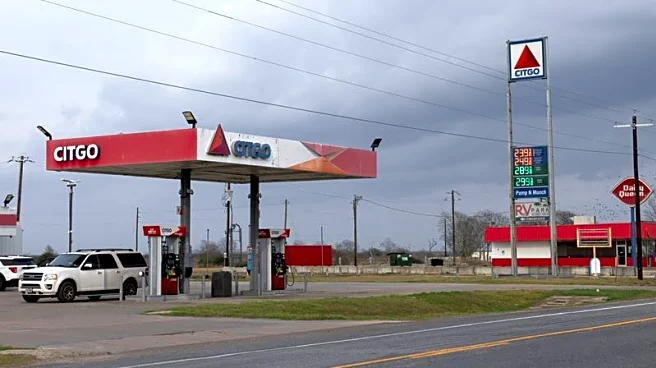
Gasoline prices in northeastern Wisconsin, including areas like Green Bay, Appleton, and Oshkosh, are experiencing an increase, although they remain below the national average. This rise is attributed to seasonal fuel changes and escalating oil prices due
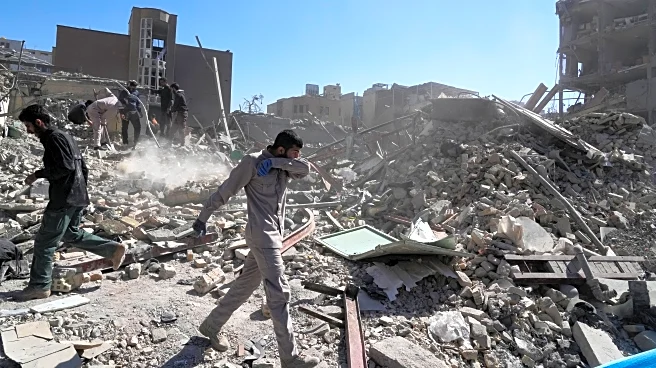
to the ongoing conflict in the Middle East, particularly following military actions by the United States and Israel against Iran. The transition to summer fuel blends has also contributed to the price hike. As of early March, Wisconsin's average gas prices have risen significantly, with the statewide average surpassing $2.90 per gallon. The price of oil, a major factor in gasoline pricing, has increased from below $67 per barrel to nearly $75. Experts predict that the national average gasoline price, which recently rose to $3.11, could increase by another 15-30 cents in the coming weeks.
Why It's Important?
The increase in gas prices is significant as it affects both consumers and the broader economy. Higher fuel costs can lead to increased transportation and goods prices, impacting household budgets and potentially slowing economic growth. The conflict in the Middle East, particularly involving key oil-producing regions, underscores the vulnerability of global energy markets to geopolitical tensions. As oil prices rise, the cost of diesel and jet fuel is also expected to increase, affecting industries reliant on transportation and logistics. This situation highlights the interconnectedness of global events and local economic conditions, emphasizing the need for energy diversification and stability in international relations.
What's Next?
In the short term, gas prices are expected to continue rising, with potential stabilization in the coming weeks as market conditions adjust. The situation in the Middle East remains fluid, and any changes in geopolitical dynamics, such as disruptions in the Strait of Hormuz, could further impact oil supply and prices. Consumers and businesses may need to brace for continued volatility in fuel costs. Policymakers might consider measures to mitigate the impact on consumers, such as temporary tax relief or incentives for alternative energy sources. Monitoring developments in the Middle East will be crucial for anticipating future trends in energy prices.