






What's Happening?
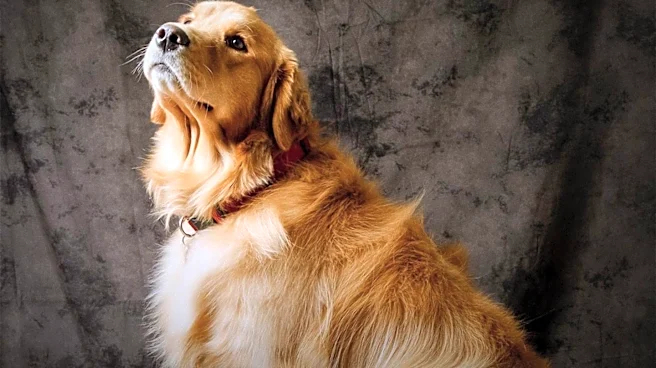
A recent exploration in The Atlantic delves into the unique ways dogs are depicted in art and their role in understanding consciousness. The article references Thomas W. Laqueur's book, 'The Dog’s Gaze: A Visual History,' which examines how dogs in art often
reveal insights that humans might overlook. This theme is further explored through the lens of consciousness studies, particularly in Michael Pollan's book on the subject. The discussion highlights the paradox in computer science where machines excel in tasks once thought uniquely human, yet struggle with emotional and sensory experiences shared with animals.
Why It's Important?
This exploration into the depiction of dogs in art and their connection to consciousness offers a broader understanding of human-animal relationships and the limitations of artificial intelligence. It challenges the perception of intelligence and consciousness, emphasizing the emotional and sensory experiences that machines cannot replicate. This has implications for the development of AI, as it underscores the importance of integrating emotional intelligence into technological advancements. Additionally, it enriches the cultural appreciation of art, highlighting the role of animals in conveying complex human emotions and experiences.