


What's Happening?
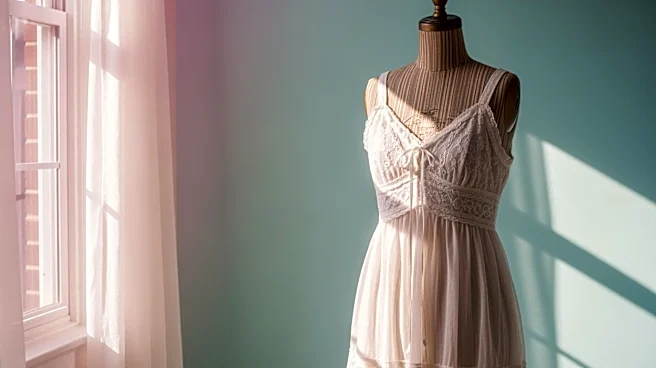
Olivia Rodrigo has responded to criticism regarding her choice of wearing a babydoll dress during a performance in Spain. The singer faced backlash online for the outfit, which some deemed 'childlike.' In an interview with the New York Times' Popcast,
Rodrigo expressed her frustration, stating that the criticism reflects deeper societal issues, such as the normalization of pedophilia. She highlighted the inconsistency in societal standards, noting that while she has worn more revealing outfits on stage without issue, the fully covered babydoll dress was criticized. Rodrigo emphasized that the dress was an homage to 90s female punk icons and not intended to be sexualized.
Why It's Important?
This controversy underscores ongoing debates about women's fashion choices and societal perceptions. Rodrigo's response brings attention to the broader issue of how women's clothing is often scrutinized and sexualized, reflecting ingrained sexist attitudes. The discussion also touches on the cultural rhetoric that places the responsibility of male perception on women, a narrative that Rodrigo challenges. This incident highlights the need for a shift in how society views and discusses women's fashion, particularly in the entertainment industry, where female artists often face disproportionate scrutiny.
What's Next?
Rodrigo is set to release her third album and embark on a U.S. tour, with plans for UK and Europe dates. The ongoing discussion around her fashion choices may influence public and media interactions during her promotional activities. It remains to be seen how this discourse will affect her image and whether it will prompt broader conversations about fashion and gender norms in the music industry.
Beyond the Headlines
The criticism of Rodrigo's dress choice reflects a larger cultural issue regarding the policing of women's bodies and fashion. This incident may contribute to ongoing discussions about gender norms and the pressure on women to conform to societal expectations. It also raises questions about the role of media and public opinion in shaping the narratives around female artists and their autonomy over personal expression.